How to Read an Insurance Declaration Page
Your declaration page lists exactly what you're paying for, and most of it is easier to read than it looks once you know what each section covers.
Your declarations page has four sections worth checking
It lists who's covered, what's covered, how much the insurer will pay out, and what you pay before they do. Those four things sit in separate blocks, usually on the first page or two, and the rest is detail.
For a driver your age, the sections worth a close look are the liability limits and the deductibles. Those are the numbers that decide what you'd actually owe after an accident, and they're also the numbers that change most when you renew or switch insurers.

Start with the limits, not the premium
The premium is the number people look at first, but it tells you nothing about what the policy actually does. The limits do. Look for liability coverage, usually written as three numbers or two, covering injury per person, injury per accident, and property damage.
If those limits look low compared to what you'd want covered in a serious accident, that's worth raising with your agent before you renew. Insurers set minimums by state, so what counts as low depends partly on where you live.
Check the deductible on collision and comprehensive coverage too. That's the amount you pay out of pocket before the insurer pays the rest, and it's usually listed right next to each coverage type, not buried in the fine print.
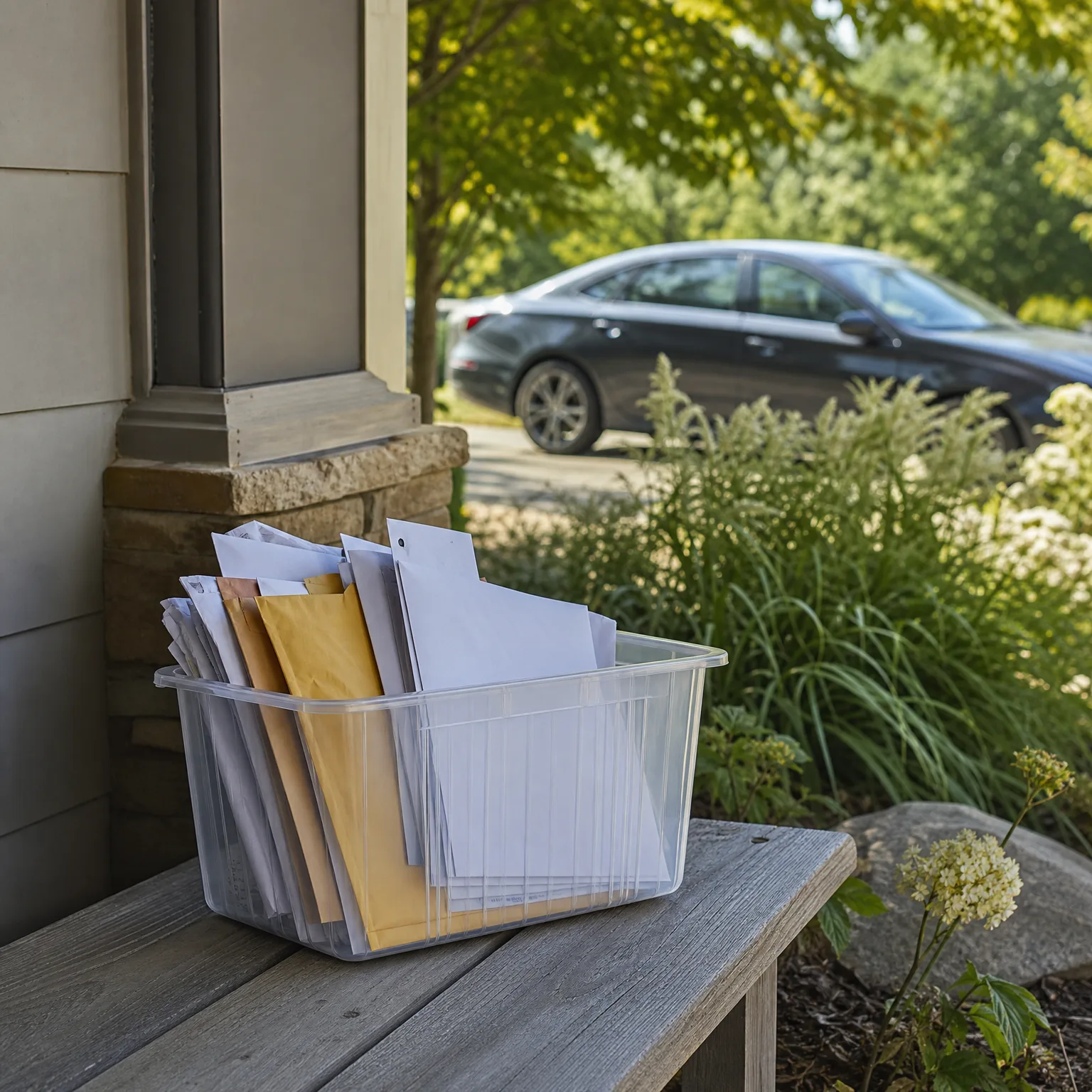
If you've had the same policy for years, compare this year's declarations page against an older one. Insurers sometimes adjust limits or deductibles at renewal without calling it a change, and the only way to catch it is to look.

Look for the discounts section, and check it against what you actually qualify for
Most declarations pages list the discounts applied to your policy, often near the premium breakdown. This is where mistakes tend to hide, because a discount you qualified for last year, like a defensive driving course or a low annual mileage, doesn't always carry forward automatically.
If you've taken a driving course recently, or your car has features like anti-theft devices or automatic emergency braking, check that those show up here. If they don't, it usually means the insurer doesn't have the paperwork, not that you're ineligible.
The vehicle section is also worth a glance. Make sure the year, make, and model match your actual car, and that the listed use, commute or pleasure, matches how you actually drive it. An error here can affect your rate without you knowing why.
Questions people ask about this
What does bodily injury liability actually pay for?
It pays for injuries you cause to someone else in an accident you're at fault for, not your own injuries. Your declarations page lists this as a per-person and per-accident limit. If a claim costs more than your limit, you're responsible for the difference, which is why the limit matters more than most other numbers on the page.
Why does my declarations page list someone else's name?
If another driver is listed, it usually means they're named on your policy, either as a co-owner of the car or as a household member the insurer requires you to disclose. Call your insurer if you don't recognize the name or don't understand why they're listed.
What's the difference between comprehensive and collision on my policy?
Collision covers damage from an accident involving another vehicle or object. Comprehensive covers damage from things like theft, weather, or hitting an animal. Your declarations page lists them separately, each with its own deductible, so it's worth checking both rather than assuming one covers the other.
Why did my declarations page change even though I didn't ask for anything?
Insurers can adjust coverage details, limits, or discounts at renewal based on things like your driving record, claims history, or changes in how they rate your state or ZIP code. If something changed and you don't know why, ask your agent directly rather than guessing.
Should I keep old declarations pages after I renew?
It helps to keep at least the last one or two, since comparing them is the easiest way to catch a change in limits, deductibles, or discounts that your insurer didn't flag directly. Keep them somewhere you can find them quickly if you ever need to file a claim.
If your declarations page raises questions about whether your coverage still fits, it's worth seeing what else is out there.
Pull out your most recent declarations page and your renewal notice, and set them side by side. Check whether the liability limits, deductibles, and discounts match what you remember agreeing to. If anything looks different or unclear, call your agent and ask them to walk through it line by line, since they're the ones with access to your full policy and your state's rules. If you're considering a change, have this page in hand when you request quotes, since the limits and deductibles listed here are what any new insurer will need to match or beat.