
Understanding Your Car Insurance Policy
Your policy is a set of separate coverages bundled together, and knowing what each one does is the only way to tell if you're actually covered for what worries you.
Your policy is several coverages, not one
A car insurance policy is not a single thing. It's a collection of separate coverages, each with its own limit and its own job, bundled under one renewal date and one bill. Liability pays for damage you cause to others. Collision pays for your car after a crash. Comprehensive covers things like theft or weather. Medical payments or personal injury protection covers injuries. Each one can be large or small, and you can carry some without others.
The declarations page, usually the first page of your policy packet, lists what you're actually carrying and at what limit. That page is the real answer to what you're covered for. Everything else in the policy explains the terms behind those numbers.
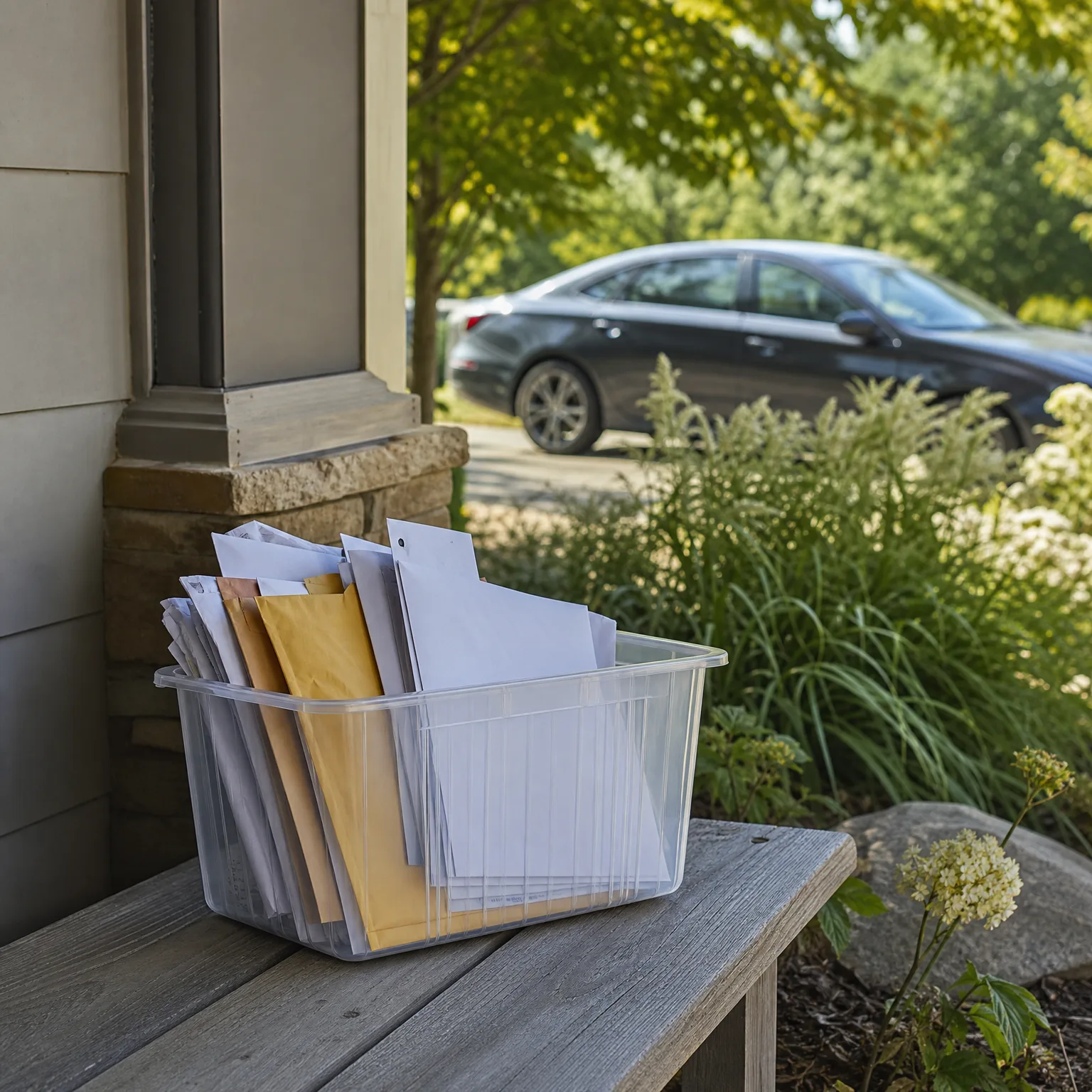
What your declarations page is telling you
The declarations page lists each coverage you have, the limit on each one, and your deductible where one applies. If a coverage isn't listed there, you don't have it, no matter what you assumed when you signed up.
Liability limits are usually shown as a set of numbers, such as a limit per person for injury, a limit per accident for injury, and a limit for property damage. These numbers are the most your insurer will pay out under that coverage. Anything beyond that limit is your responsibility, which is part of why some drivers add an umbrella policy on top.
Collision and comprehensive both have a deductible, the amount you pay before the coverage starts paying. A higher deductible usually means a lower premium, but it also means more out of pocket if something happens. Check what deductible you actually chose, since it's easy to forget once a few years have passed.
If anything on that page looks unfamiliar or doesn't match what you remember agreeing to, call your insurer and ask them to walk through it with you. That's a reasonable thing to ask for, and a good agent will do it without pushing anything else on you.

Where state rules change what's in your policy
Insurance is regulated by the state, so the minimum coverages required, and sometimes the names given to them, differ depending on where you live. Some states require personal injury protection regardless of fault. Others don't require it at all. What counts as adequate liability coverage also varies by state.
This matters most if you've moved recently or if your policy was set up by someone else, like a family member, in a different state than where you live now. A policy written under one state's rules doesn't automatically update itself to match another state's requirements.
Your insurer can tell you exactly what your state requires and whether your current policy meets it or exceeds it. If you're not sure what's required where you live now, that's the first thing to ask them, since it changes what the rest of the policy means for you.
Questions people ask about this
What does it mean if my policy lapses?
A lapse means your coverage stopped, usually because a payment was missed or a renewal wasn't completed. Once it lapses, you have no coverage until it's reinstated or you buy a new policy. Insurers often charge more for drivers with a lapse in their history, so it's worth contacting your insurer right away if you think this happened rather than waiting for the next bill.
Why did my premium go up even though nothing changed on my end?
Premiums can change at renewal for reasons that have nothing to do with your own driving, such as claims in your area, the cost of repairs generally, or how your insurer is pricing your age group or vehicle type that year. Your insurer can break down what changed on your specific policy if you ask them directly.
What is an endorsement on my policy?
An endorsement is a change or addition to your standard policy, like adding a named driver, covering a specific item, or adjusting a coverage. Endorsements get listed separately from the main coverages, often on their own page or attachment, so check for that section if you've made any changes recently.
Do I need to tell my insurer if I stop driving as much?
Many insurers offer lower rates for lower mileage, but they generally need you to report that change for it to affect your premium. It won't happen automatically. Ask your insurer how they want mileage changes reported and whether they offer a lower rate for it.
What happens to my policy if I let someone else drive my car?
In most cases, your policy follows the car, not the driver, so someone you've given permission to drive is typically covered under your policy if they're in an accident. This can vary by insurer and by state, and some policies exclude certain drivers by name, so check your declarations page or ask your insurer if this applies to your situation.
If you're not sure your current coverage matches what you actually need, it's worth seeing what else is out there.
Pull out your current declarations page this week and read through what's actually listed, not what you remember signing up for. Write down your liability limits, your deductibles, and any coverages you're not sure about. Call your insurer and ask them to explain anything unclear, including whether your coverage meets your state's requirements. If you've moved states recently, ask specifically whether your policy was updated to reflect that. Once you know what you actually have, you're in a much better position to judge whether it's enough or whether you're paying for more than you need.