Can a Senior Citizen Get Auto Insurance Without a License
An auto insurance policy needs a licensed driver behind it, but a senior without a license can still be covered on a car, just not as the one driving it.
No, not to drive. Yes, to be covered.
An insurer sells a policy to cover a driver, and that means the person named on the policy has to hold a valid license. If a senior's license has lapsed or been given up, they can't buy a policy to drive themselves.
What they can do is stay on a household policy as a listed driver who doesn't drive, or own a car that someone else, like a spouse or adult child, is insured to drive. The car still needs coverage even if the owner never gets behind the wheel.
Whether the license was given up or just hasn't been renewed yet
These are different situations and insurers treat them differently. A senior who let a license lapse but could still pass a renewal, maybe after a vision test or a course the state asks for, is in a different spot than one who surrendered their license for good.
If the license can still be renewed, the simplest fix is often renewing it, even if the senior doesn't plan to drive much. A valid license keeps every option open, including being the named insured on their own car.
If the license is gone for good, perhaps surrendered after a state agency flagged a medical condition, the car they still own needs to be insured under someone else's name, typically a family member who lives with them or has regular access to the car.
Either way, the DMV or state licensing agency is the one to ask what a given license status allows. Insurers follow what the state says about who can be licensed, not the other way around.
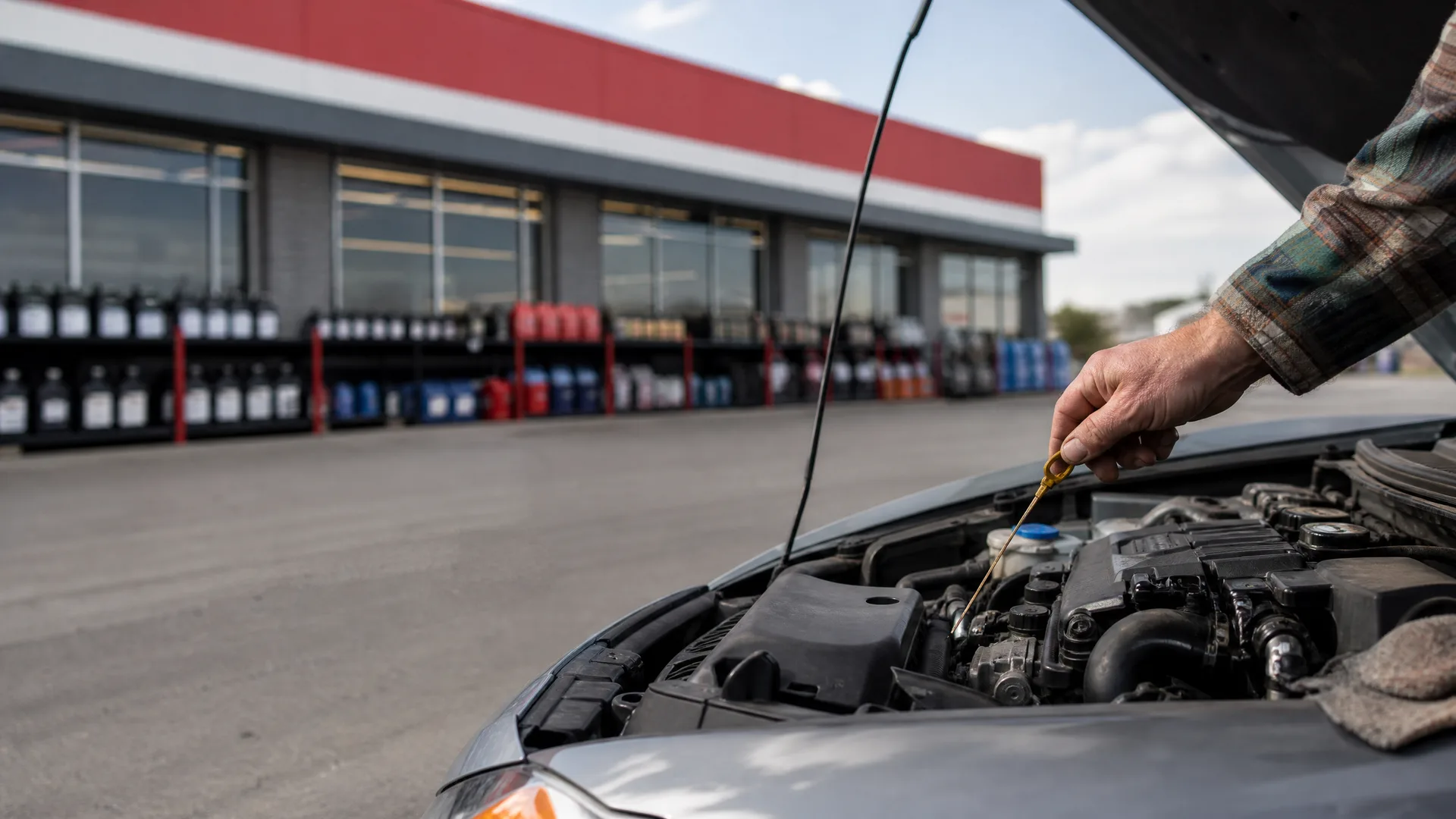
Who actually owns the car matters
An insurer wants to know who owns the vehicle and who drives it, and those don't have to be the same person. A senior can own a car outright and have it insured under a policy where someone else is the primary or only driver.
This comes up often when an adult child moves in to help a parent, or when a spouse keeps driving after the other one stops. The car stays registered to the senior, but the policy names the driver who actually uses it.
What trips people up is forgetting to tell the insurer the ownership and the driving arrangement don't match. An insurer who finds out later that the person listed as primary driver isn't the one driving, or that an unlisted driver is using the car regularly, can treat that as a reason to deny a claim. Tell the insurer exactly who drives the car and how often, even if the arrangement seems informal.
Questions people ask about this
can a non-driver be the owner of an insured car?
Yes, a person can own a car and insure it without being the one who drives it. The policy needs a listed driver who holds a valid license, and that can be someone other than the owner, as long as the insurer knows who that person is.
does giving up a license affect an existing car insurance policy?
It can, because the policy was likely written with that person as the primary driver. Call the insurer when a license is surrendered or expires without renewal, and ask how to update the policy so it reflects who's actually driving the car now.
what happens to a car if an elderly parent can no longer drive?
The car doesn't need to be sold or deregistered just because the owner stops driving. It can stay insured under a policy naming another household member or family member as the driver, as long as that person is listed accurately with the insurer.
can a senior get a non-owner car insurance policy without a license?
A non-owner policy is built for someone who drives occasionally but doesn't own a car, and it still requires a valid license. Without a license, a non-owner policy isn't an option, since the policy exists to cover a driver, not a car.
does car insurance cost more after a senior stops driving regularly?
This depends on the insurer and how the policy is set up once the driving pattern changes. Ask the insurer directly how reporting reduced or no driving affects the rate, since some adjust it and some don't unless asked.
If there's still a car in the picture, it's worth seeing what it costs to insure under the right driver.
Start by calling the state DMV or licensing agency to confirm the exact status of the senior's license, since that determines what's possible. If the license can still be renewed, ask what's required, whether that's a vision test, a written test, or a doctor's note. If the car will stay in the senior's name but be driven by someone else, call the current insurer and tell them exactly who will be driving it going forward. Have the car's registration, the senior's license status, and the name of the new primary driver ready before that call. If the senior won't be driving at all, ask the insurer whether the car can stay insured as a listed, non-driven vehicle under someone else's policy.