What Auto Insurance Do Senior Citizens Actually Need
Senior drivers generally need the same core coverage as anyone else, but how much of it and at what price depends more on health, driving record, and the car than on age alone.
Liability plus enough coverage to protect what you own
Every state sets a minimum amount of liability coverage you have to carry, and that part doesn't change because you're older. What usually matters more for a senior driver is whether to keep collision and comprehensive coverage on a car that's paid off, and whether the liability limits still match what you have to protect.
If your car is older and worth less, collision and comprehensive coverage may cost more than the car is worth in a claim. If you still have savings, a home, or other assets, liability limits above your state's minimum are worth keeping, because a serious accident can cost far more than a low limit covers. Ask your insurer to walk through both parts with your actual car and your actual situation, not a general rule.
Your driving record and any recent changes in your driving matter more than your birthday
Insurers price a policy on the driver in front of them, not on an age bracket. A clean record, no recent claims, and no restrictions on your license will usually keep your rate where it's always been. A new restriction, like a daytime-only license or a requirement to wear corrective lenses, gets reported to your state and can affect your rate or your coverage options.
If you've had a recent fender bender, a ticket, or a vision or medical issue that led to a license restriction, that's what an insurer will weigh first. It's worth asking your own insurer directly how a specific change on your license affects your policy, since this varies by company.
Some states and some insurers offer a discount for completing an approved defensive driving or mature driver course. If you take one, you usually have to send the certificate to your insurer yourself. Finishing the course isn't enough on its own.
If your eyesight, reaction time, or health has changed, it's worth having an honest conversation with your doctor and your family about whether your current coverage, and your current driving, still fits your situation.
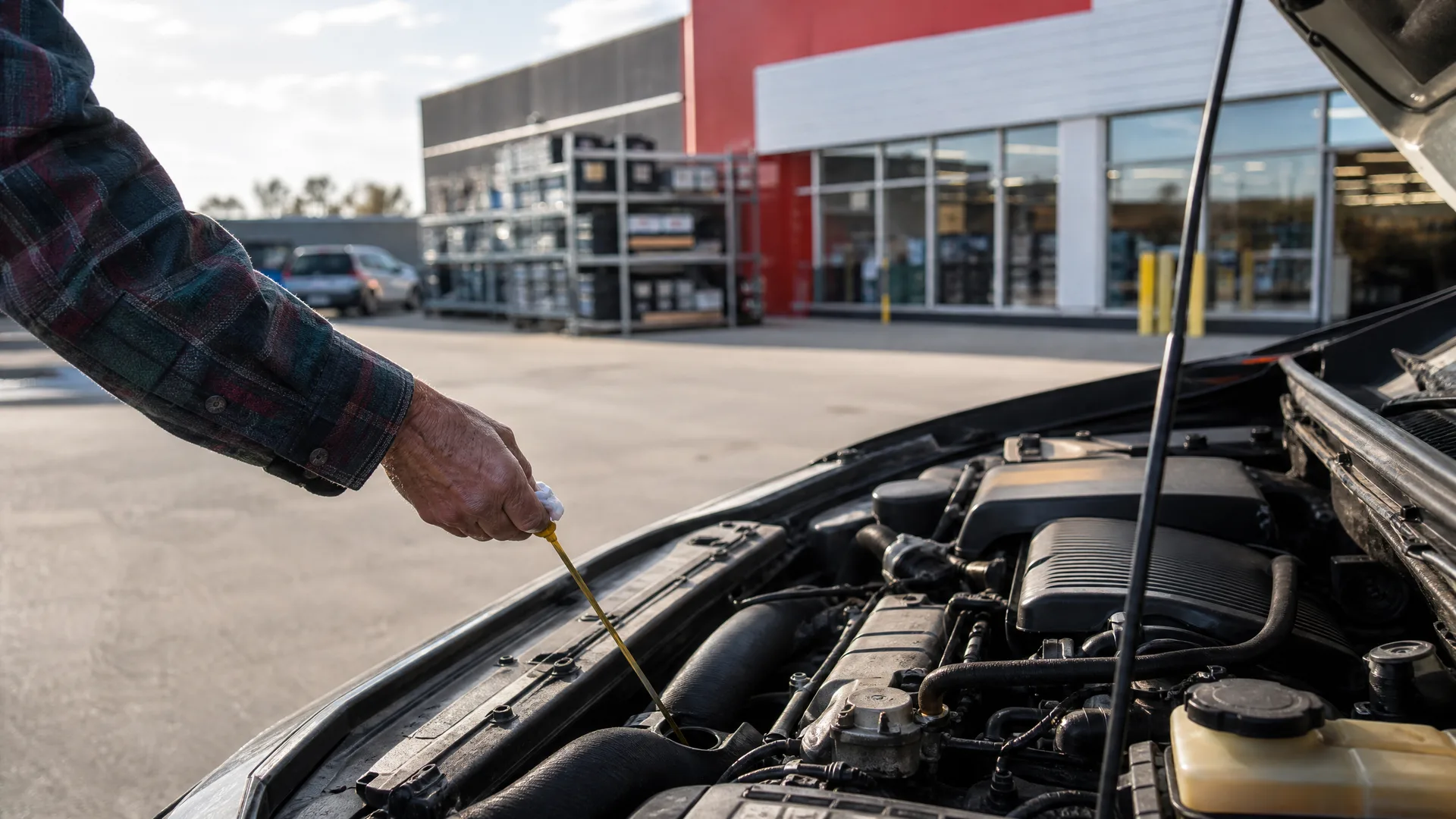
How you use the car now changes what coverage makes sense
If you're driving less than you used to, say you've retired and no longer commute, some insurers offer lower rates for lower mileage. Ask your insurer whether they track mileage and whether a lower annual mileage estimate would lower your premium.
If the car is mainly used by one driver now instead of a household of drivers, that can also change the rate. Let your insurer know if someone has stopped driving the car altogether, rather than carrying them on the policy out of habit.
If you're keeping an older car as a second car or a rarely driven car, ask whether a reduced-use or stored-car policy fits better than a standard policy. The right coverage for a car driven daily and the right coverage for a car driven occasionally are not the same, and insurers price them differently.
Questions people ask about this
Does my car insurance go up when I turn 65?
Not automatically everywhere, since states and insurers handle this differently. Some insurers review rates at certain ages and some don't. Ask your own insurer whether age itself triggers a review, or whether your rate is based only on your driving record and vehicle.
Can I lose my license and still keep my car insurance?
Yes, you can keep a policy on a car you own even if you don't currently hold a license, though you won't be listed as a driver on it. If someone else drives the car regularly, they need to be listed. Check with your insurer about how an unlicensed owner affects the policy.
Should I drop collision coverage on an old paid off car?
It depends on what the car is worth and what you could afford to replace it with out of pocket. If a claim payout would be close to or less than what you'd pay in premiums over a few years, dropping collision coverage can make sense. Ask your insurer for the car's current value estimate before deciding.
Do I need to tell my insurer if my license gets restricted?
Yes, you're generally required to report changes to your driving status to your insurer, and the restriction itself is usually reported to the state by the DMV. Not reporting a change can affect a claim later. Check your policy's terms on reporting changes, since this is spelled out there.
Is it worth switching insurers as a senior driver?
It can be, since pricing for older drivers varies a lot between companies. Some insurers specialize in or offer better rates for senior drivers with clean records, while others don't adjust for age at all. Comparing quotes directly is the only way to know where you stand with a specific company.
See how your rate compares before you decide what to change.
Pull your current policy and look at your liability limits, your collision and comprehensive coverage, and your car's estimated value side by side. Call your insurer and ask directly how your age, your license status, and your mileage affect your rate with them, since this differs by company. If you've taken a defensive driving or mature driver course, confirm the certificate was actually received and applied. If your driving has changed, mileage, routes, or how many people in the household drive the car, tell your insurer now rather than at renewal. Then compare what your current insurer offers against a few other quotes to see whether your rate still reflects your actual situation.