When Should I Shop for New Car Insurance
The best time to shop is before your renewal notice arrives, not after you've already paid it.
Shop before your renewal, not after it renews
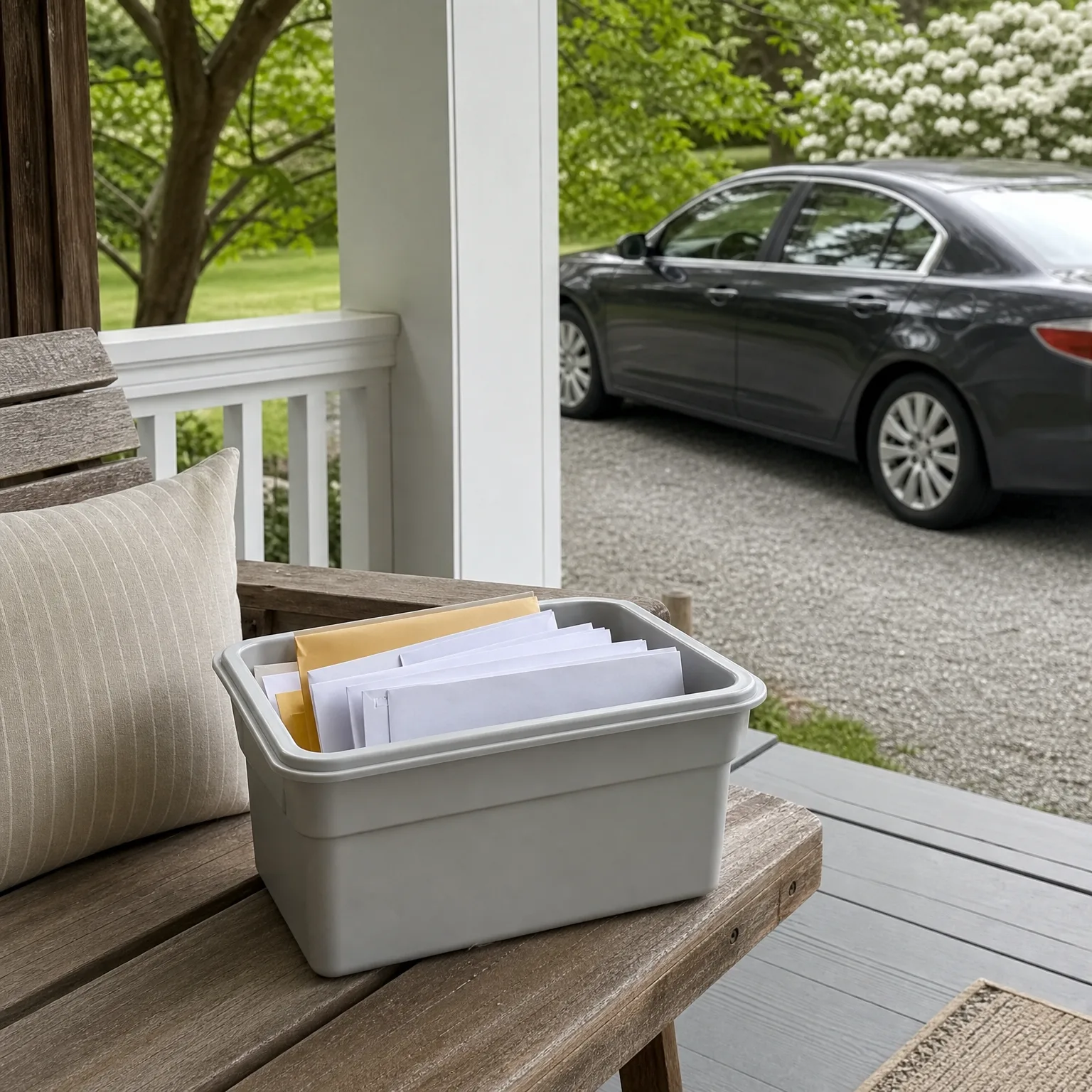
The right time to shop is a few weeks before your policy renews. That gives you the current renewal price in hand, time to get quotes from other insurers, and time to switch before the new term starts and locks you in for another stretch.
Waiting until after renewal means you're comparing against a price you've already committed to. If you find something cheaper, you may still be able to switch, but you could lose part of what you already paid and have to deal with a cancellation instead of a clean move to a new insurer.
A change in your situation is its own reason to shop
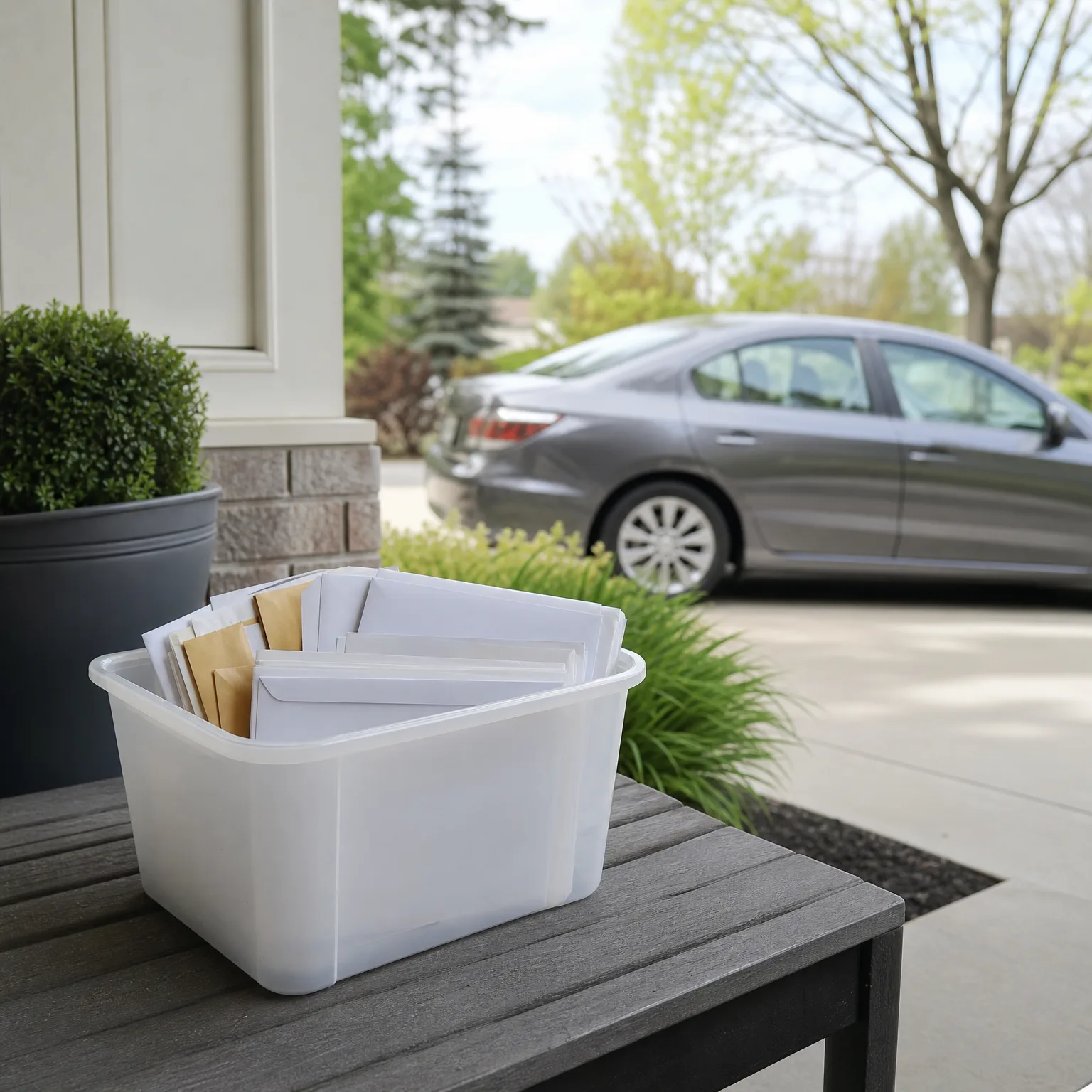
Your renewal date isn't the only trigger. If something in your life changed since your last policy was written, your rate may no longer reflect your actual risk, and shopping can catch that.
Moving to a new address is one. Insurers price by location, so a move, even a short one, can change what you're offered elsewhere. Giving up a car, driving fewer miles, or retiring from a job that used to mean a long commute are others.
A ticket or accident aging off your record is worth checking too. Insurers look back a set number of years, and that window is set by each insurer, not by the state. Once an incident drops off, you may qualify for a better rate than you're currently getting, but your current insurer won't always apply that automatically. You often have to ask or shop to see it reflected.
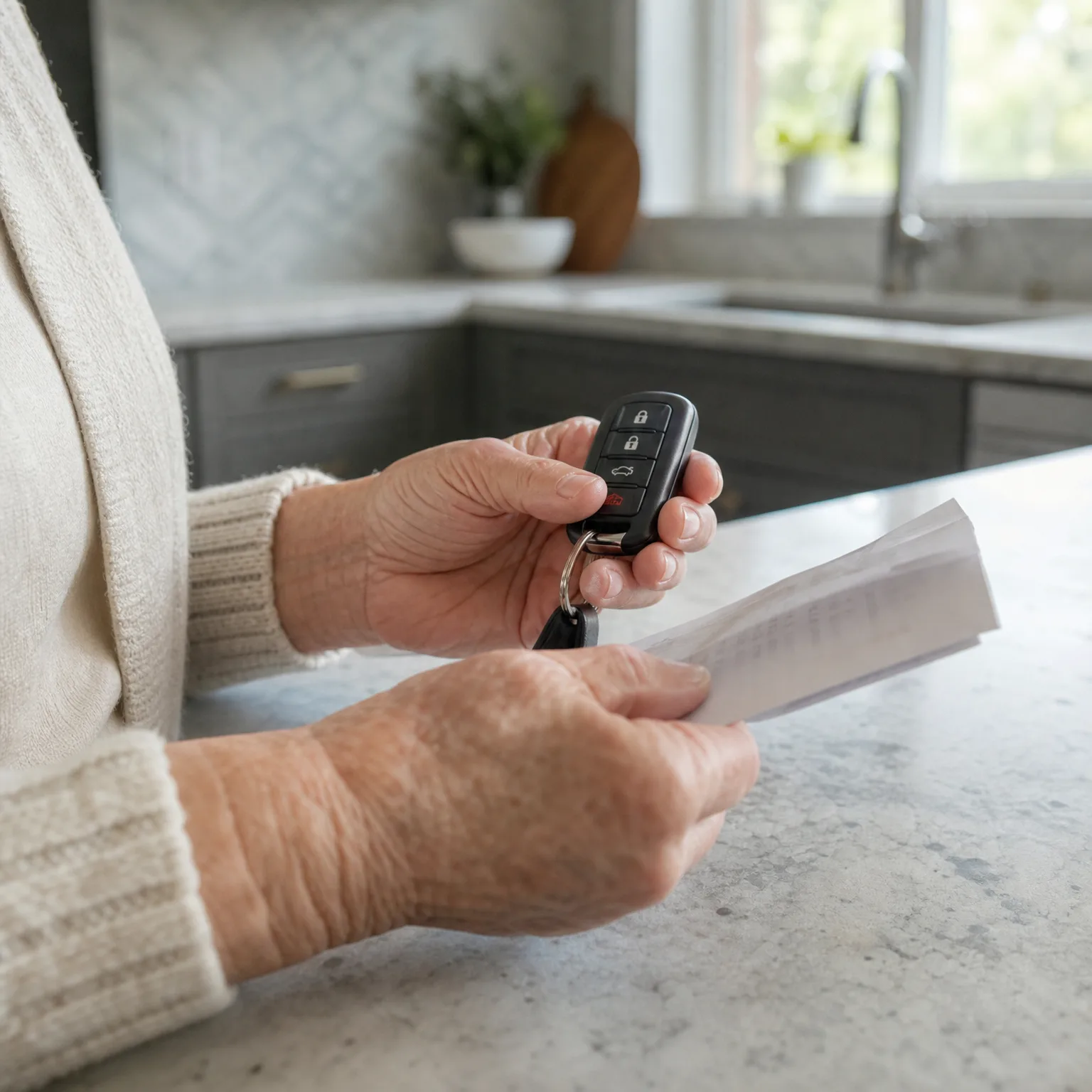
Completing a defensive driving or mature driver course is another trigger. Finishing the course isn't the same as getting the discount. You typically have to send the certificate to your insurer yourself.

What people get wrong about timing it
A lot of people wait for their insurer to tell them their rate went up, then shop in reaction. By that point you've already paid at least one higher bill, and you're shopping under pressure to fix something rather than to find the best price.
Others assume loyalty to one insurer earns them a better rate over time. Some insurers do reward long-term customers, but many don't, and the only way to know where you stand is to compare what a new insurer would charge you today.
It's also easy to assume your current rate is competitive just because it hasn't changed much. Rates shift across the market even when nothing about you has changed. Checking periodically, not only when something prompts it, is the only way to know if you're still getting a fair price.
If you're shopping because of a specific change, like a course certificate or a cleared record, ask your current insurer directly whether it's reflected yet. Don't assume it is just because enough time has passed.
Questions people ask about this
How often should I compare car insurance rates?
Most people benefit from comparing rates at least once a year, timed to their renewal. Rates change across insurers even when nothing about your situation has changed, so a yearly check catches those shifts. If you've had a life change, like a move or a cleared driving record, it's worth comparing sooner.
Will shopping for insurance hurt my credit?
Getting quotes for car insurance doesn't work the same way as applying for a loan or credit card. Insurers may check your credit-based insurance score as part of pricing, but comparing quotes from multiple companies isn't reported as an inquiry that affects your score the way credit applications are. Ask any insurer directly if you want to know exactly how they use credit information.
Does switching insurers cancel my current policy automatically?
No, you usually have to cancel your old policy yourself once the new one is active. Some new insurers will handle the cancellation notice for you, but don't assume it happens automatically. Confirm the start date of the new policy before you cancel the old one so there's no gap in coverage.
Can I switch insurers in the middle of my policy term?
Yes, you can usually switch at any point, not just at renewal. You may be charged a short fee or forfeit part of a prepaid premium, depending on your insurer's rules. Ask your current insurer what happens financially if you cancel mid-term before you commit to switching.
Do older drivers get a better rate for shopping around?
It depends on the driver and the insurer, not on age alone. Some insurers price more competitively for older drivers with a clean record, while others weigh age itself more heavily. The only way to know is to compare actual quotes rather than assume one direction or the other applies to you.
See what other insurers would charge before your renewal locks you in.
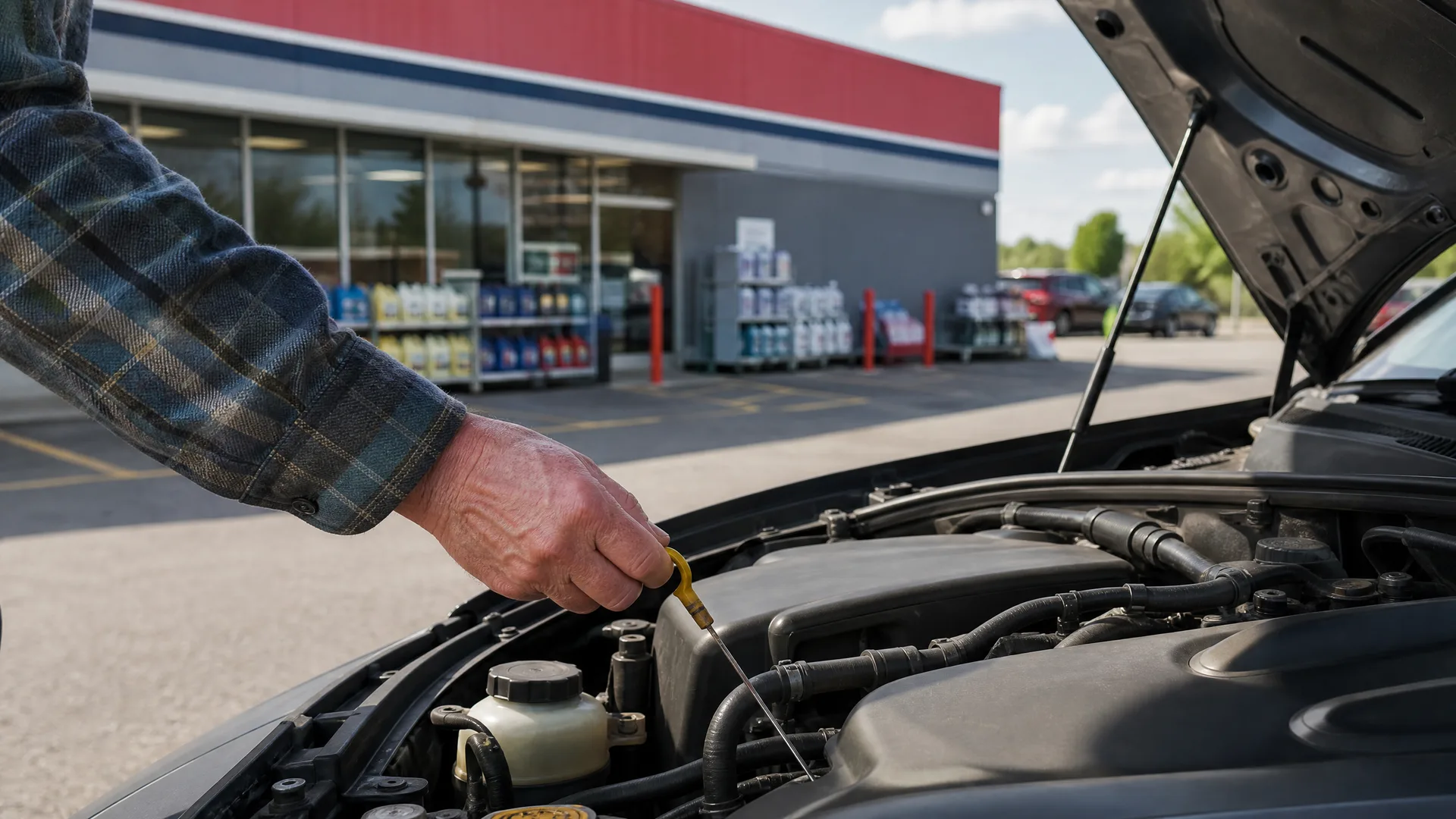
Find your renewal date and mark a reminder for a few weeks before it. Pull your current policy declarations page so you have your coverage limits and deductibles in hand when you compare quotes. If you've finished a driving course or had an incident age off your record, call your current insurer first and ask whether it's already reflected in your rate. Then get quotes from a few other insurers using the same coverage levels, so you're comparing like for like. If something comes in lower, ask about any cost to cancel your current policy before you switch.