What Is an Easy Way to Lower Car Insurance Premiums
The quickest way to lower your premium is to ask your own insurer which discounts you qualify for, since most of them aren't applied automatically.
Call your insurer and ask what you're missing
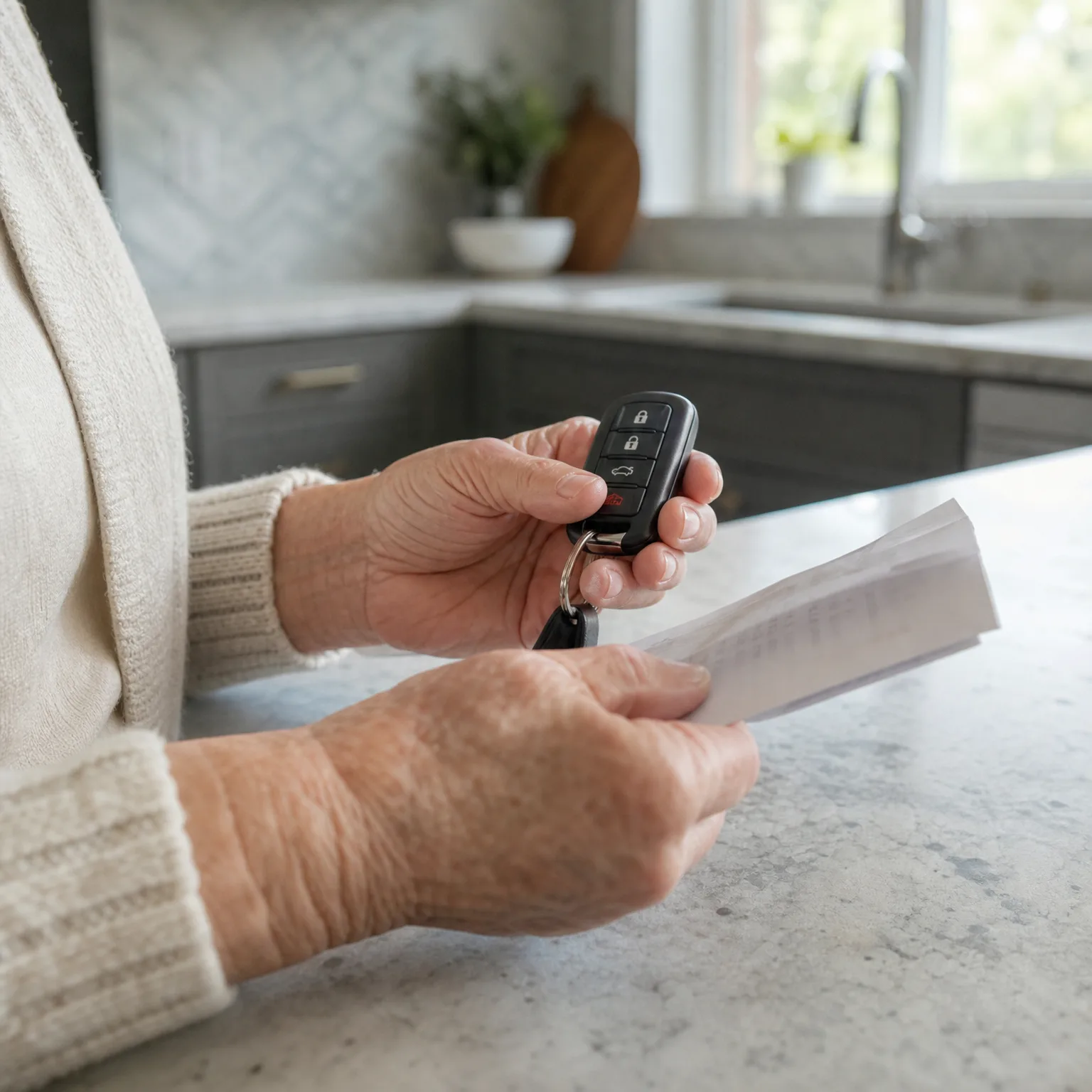
The easiest way to lower your premium isn't switching companies or changing your coverage. It's asking your current insurer directly which discounts apply to you and confirming they're on your policy. Insurers don't always add a discount the moment you qualify for it. You often have to ask, and sometimes you have to send paperwork to prove it.
For a driver your age, this usually means a mature driver course, a low mileage discount if you no longer commute, or a bundling discount if you have a home or umbrella policy with the same company. None of these apply themselves. You have to know they exist and ask for them by name.

Whether you've told them your situation has changed
Insurers set your premium based on what they know about you, and what they know is often years out of date. If you drive less than you used to, moved, retired, or finished a driving course, your insurer may not know unless you tell them.
A renewal notice reflects your last known situation, not your current one. If nothing has been updated in a while, the number on that notice may not match how you actually drive today.
The fix is simple. Call or log into your account and walk through what's changed. Lower annual mileage, a car that's no longer driven to work, a course certificate you completed. Each one is a separate thing to report, and each one only lowers your premium if it's actually on file.
This is the same conversation whether you've been with the company five years or thirty. Loyalty doesn't update your file. You do.

What most people get wrong about discounts
Most people assume a discount applies automatically once they're eligible. A mature driver course is the clearest example. Finishing the course doesn't change anything on its own. You have to send your insurer the certificate, and some insurers require it again after a set period to keep the discount active.
The other common mistake is asking once and assuming it's permanent. Discounts can drop off a policy when a car is replaced, when a policy is renewed under a new term, or when the account is restructured for any reason. It's worth checking your declarations page each renewal to see which discounts are actually listed, not just which ones you remember asking for.
If a discount you expected isn't there, ask your insurer what's required to add it back. The answer is usually a form or a document, not a reason you no longer qualify.
Questions people ask about this
Does taking a defensive driving course actually lower my rate?
It can, but only if your insurer offers that discount and you send them proof you completed an approved course. Not every course qualifies, so check with your insurer before you sign up for one. The discount isn't automatic even after you finish.
Will my premium go up just because I'm older?
It depends on your insurer and your state, since age is treated differently across companies. Some insurers lower rates for mature drivers who've stayed accident free, others adjust based on different factors. Ask your insurer directly how age affects your specific policy.
Should I switch insurers to get a lower rate?
It's worth comparing quotes, but switching isn't the first thing to try. Ask your current insurer about discounts first, since you may already qualify for a lower rate without leaving. If their answer isn't competitive, that's when comparing other quotes makes sense.
Does driving less really reduce my premium?
Yes, if you report it. Many insurers offer a lower mileage discount, but it only applies once you tell them your annual mileage has dropped and they update your file. Retiring or no longer commuting are common reasons this changes.
Can I lower my premium without changing my coverage?
Yes. Discounts, updated mileage, and bundling don't require you to reduce your coverage at all. Lowering coverage is a separate decision with its own tradeoffs, and it's worth keeping that choice separate from simply asking what you're eligible for.
See what other insurers would charge for the coverage you have now.
Pull out your most recent renewal notice and your declarations page. Call your insurer and ask specifically which discounts you currently have and which ones you might qualify for, including a mature driver course or low mileage discount. If you've taken a driving course recently, ask whether they have your certificate on file. While you're on the phone, ask what's required to keep each discount active at your next renewal. Then compare what they quote you against offers from other insurers to see where you actually stand.