How Senior Citizens Can Compare Auto Insurance in Wisconsin
The best way to compare is to get quotes from several insurers at once, since they don't all treat older drivers the same way.
Yes, and it's worth doing every renewal
Wisconsin doesn't require anything special of older drivers to buy or renew auto insurance, so you can shop the same way anyone does: get quotes from more than one insurer and compare what each one charges for the same coverage.
What makes comparing worthwhile at this age is that insurers don't agree on how to price an older driver. One company may weigh your decades of clean driving heavily. Another may focus more on age itself. A third may offer a discount for a defensive driving course that the first two don't. You won't see those differences unless you ask more than one insurer directly.
Your driving record still matters most
Insurers look at your record before they look at your age. A long history with no at-fault accidents or tickets works in your favor with nearly every insurer, and it's the strongest card you have when you're comparing quotes.
If you've had a recent accident or a ticket, some insurers will weigh that more heavily than others. This is one more reason to get quotes from several companies rather than renewing with the same one automatically. A single recent mark can mean very different quotes from one insurer to the next.
If your vision or your reaction time has changed, that's between you and your doctor, not something an insurer asks about directly. But it's worth being honest with yourself about whether you're driving less, or differently, than you used to. Some insurers offer lower rates for drivers who put fewer miles on the road each year, and that's worth asking about.
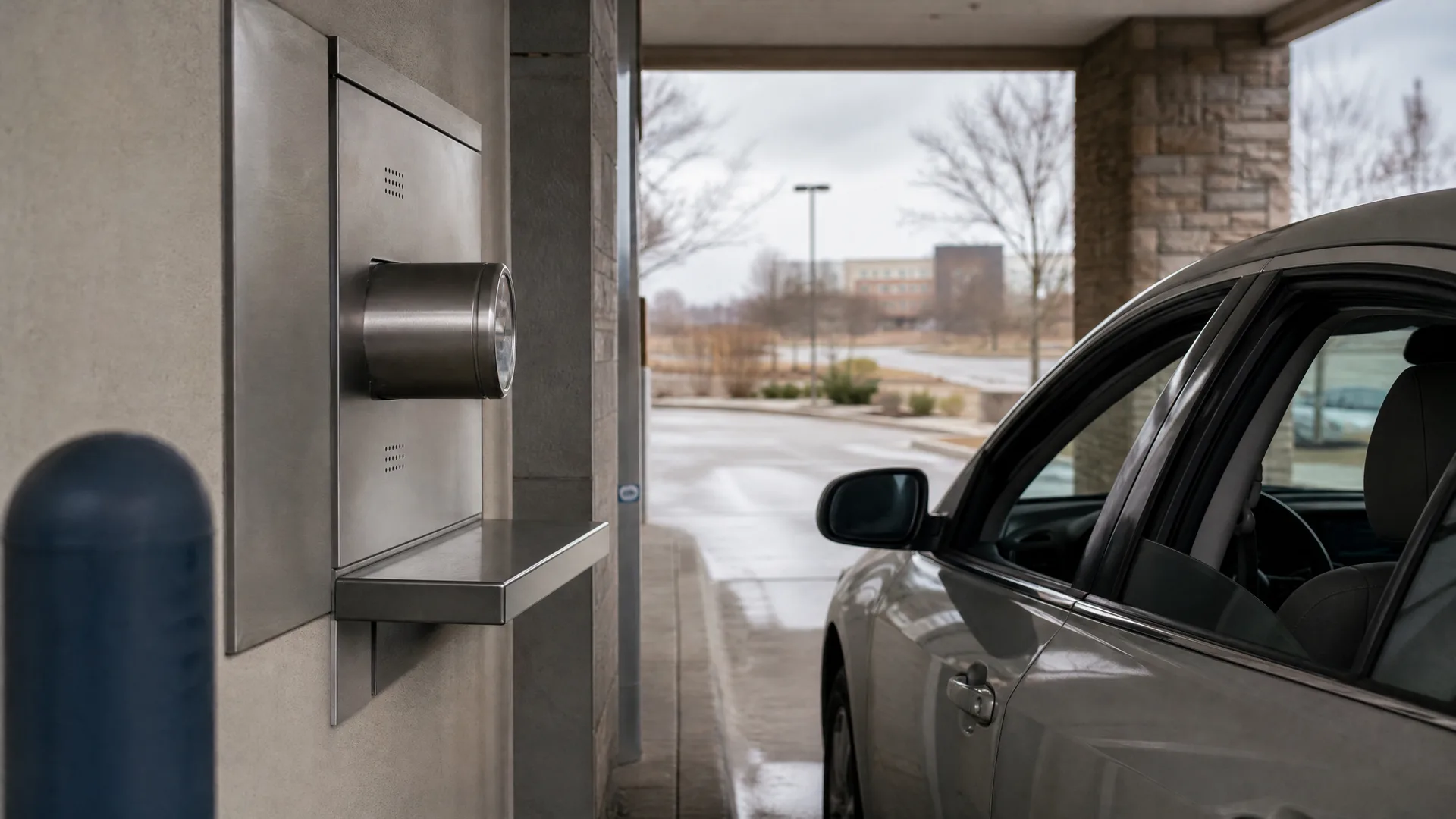
A defensive driving course can lower your premium, but only if you tell your insurer
Many insurers offer a discount to older drivers who complete an approved defensive driving course. Wisconsin allows this, but whether your specific insurer offers it, and how much it's worth, varies by company.
The discount isn't automatic. Finishing the course gets you a certificate. The discount only happens when you send that certificate to your insurer and ask them to apply it. Call your insurer, or check with your agent, before you assume it's already reflected in your premium.
When you're comparing quotes from different insurers, ask each one directly whether they offer this discount and what proof they need. Some want the certificate on file before they'll quote you the lower rate, others apply it after the fact. It's worth asking upfront so you're comparing like with like.
Questions people ask about this
Will my auto insurance go up just because I turned 65?
Not automatically. Wisconsin insurers set their own pricing by age group, and some start adjusting rates around this age while others don't. The only way to know how a specific insurer treats your age is to ask them directly or get a quote.
Do I have to retake a driving test to keep my license in Wisconsin?
License renewal rules for older drivers are set by the state, not by insurers. Contact the Wisconsin DMV directly to confirm what's required for your renewal, since this can include vision screening depending on your age and history.
Can my insurer drop me because I'm older?
An insurer can choose not to renew a policy for various reasons, but age by itself isn't typically one of them. If you're worried about this, ask your current insurer directly what their non-renewal policy is, since it will be spelled out in your policy documents.
Does my insurance change if I stop driving as much after retirement?
It can, but only if you tell your insurer. Some companies offer lower rates for drivers who log fewer annual miles. This isn't applied automatically, so you'll need to ask your insurer whether they offer it and how they verify your mileage.
Should I keep full coverage on an older car?
That depends on what your car is worth and what you'd be paid out if it were totaled, not on your age. Ask your insurer or agent for your car's current value and compare that to what you're paying for comprehensive and collision coverage.
See what different insurers would charge you before you renew with the same one out of habit.
Pull your current policy and your most recent renewal notice so you can see exactly what you're paying now and for what coverage. If you've taken a defensive driving course, find the certificate and have it ready to send to whichever insurer you choose. Get quotes from at least three insurers using the same coverage limits so you're comparing them fairly. Ask each one directly about age-based pricing, mileage discounts, and the course discount, since none of these are guaranteed to show up in a quote unless you ask. If anything about your driving has changed, like how often you're on the road, mention it, since it may qualify you for a lower rate you wouldn't get otherwise.