How Senior Citizens Can Compare Auto Insurance in Vermont
Comparing quotes as a senior in Vermont works the same way it always has, but a few things are worth checking before you renew.
Yes, and it's worth doing even if you've had the same insurer for years
Vermont doesn't require insurers to treat older drivers any particular way, and companies set their own rules for age, discounts, and renewal pricing. That means two insurers can look at the same senior driver and come up with different premiums, which is exactly why comparing quotes matters more as you get older, not less.
The comparison itself works like it always has. You give each insurer the same information about your car, your driving record, and your coverage, and you look at what they offer. What changes for a senior driver is what goes into that comparison: a defensive driving course certificate, a change in how much you drive, or a renewal notice that jumped for no clear reason.
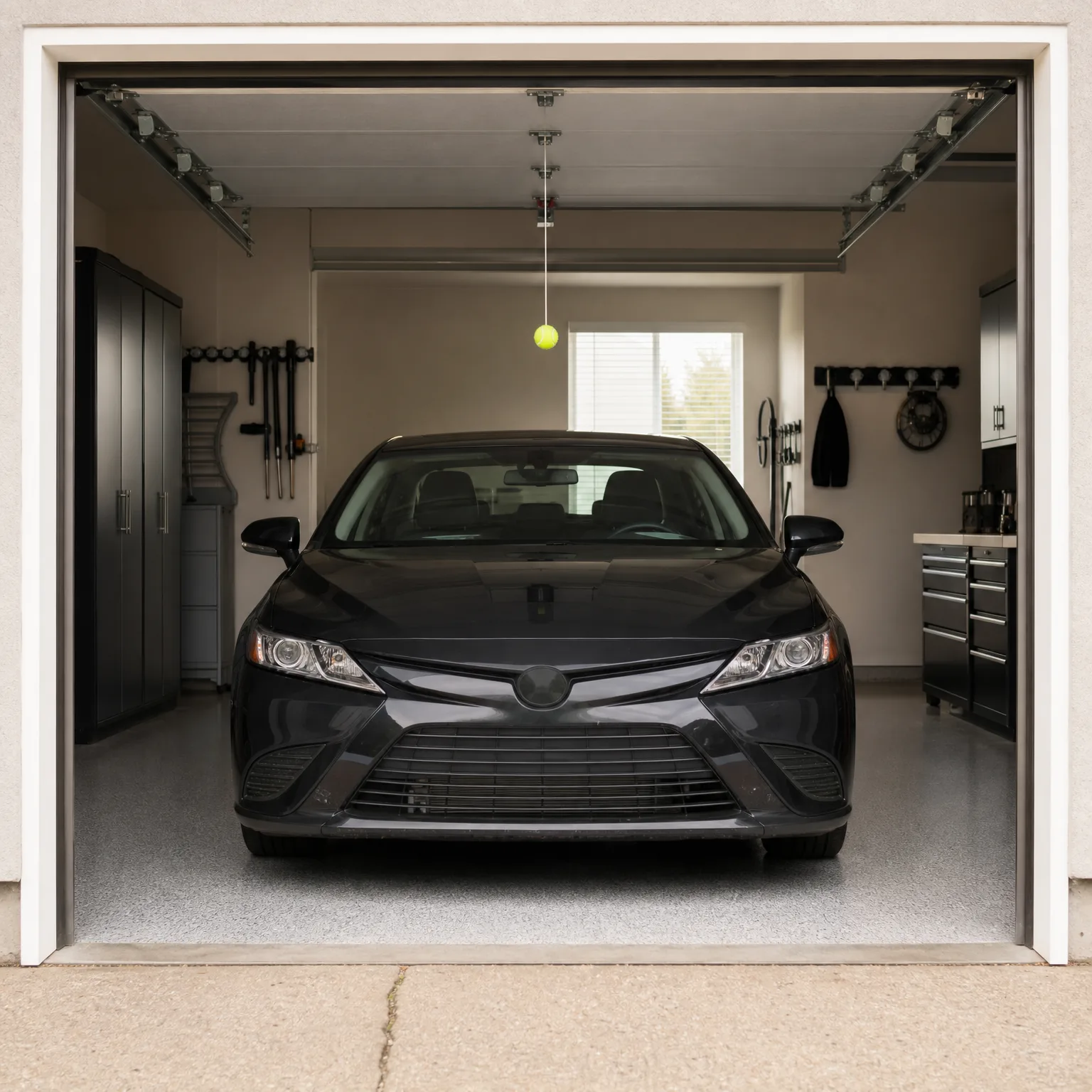
Your driving record and any course certificate you've earned
Vermont insurers can offer a discount for completing an approved defensive driving course, but the discount isn't automatic. You have to send your insurer the certificate yourself. If you took a course last year and never mailed or uploaded the certificate, your current insurer may not know about it, and neither will any company you're comparing quotes with unless you tell them.
When you compare quotes, have that certificate ready to mention to each company. Ask directly whether they offer a course discount and what they need from you to apply it. Some insurers ask for the certificate every few years to keep the discount active, so it's worth asking how long it lasts too.
Your driving record still matters as much as it ever did. A clean record over the past several years will usually get you better quotes than one with recent tickets or claims, regardless of age. If your record has improved since you last shopped, that's a reason the numbers could look different now.
How much and how you drive now
Insurers often ask about annual mileage, and that number tends to change for drivers who've retired or cut back on commuting. If you're driving less than you used to, say so when you get quotes. Some companies offer lower rates for lower mileage, and a few offer usage-based programs that track actual driving and price accordingly.
The car you drive matters too. If you've switched to a smaller or newer car with better safety features, or if you're now a second driver on a household policy instead of the primary one, mention that as well. Each of these details can move a quote up or down, and they're easy to overlook if you're comparing based on last year's policy instead of your current situation.
If your insurer hasn't asked about any of this at renewal, that's worth noticing. A renewal that just carries forward the same numbers year after year won't reflect changes like these, which is part of why rates can drift upward even when nothing about your driving has gotten worse.
Questions people ask about this
Does Vermont require a vision test or extra steps to renew a license for seniors?
License renewal rules are set by the Vermont DMV, not by insurers, and they can include vision or other requirements tied to age. Check directly with the DMV for the current renewal requirements rather than assuming they're the same as a neighboring state or what they were years ago.
Will my auto insurance rate go up just because I'm getting older?
Not necessarily, since insurers weigh age alongside driving record, vehicle, and other factors rather than age alone. Some insurers price older drivers favorably because of long, clean driving histories, while others may adjust pricing differently. This is exactly why comparing quotes across companies is worth doing rather than assuming one insurer's number reflects the market.
Can I stay on a family or household policy instead of getting my own as a senior?
Whether you can stay on a household policy depends on the insurer's rules and who else is listed on it. Ask your current insurer directly whether age affects your eligibility to remain on a shared policy, and ask the same question of any company you're comparing.
What happens to my insurance if I stop driving but still own a car?
If you own a car but rarely or never drive it, ask your insurer whether a reduced-use or stored-vehicle policy is available, since coverage needs can change even if you keep the car registered. Letting coverage lapse entirely can affect future rates, so it's worth asking about options rather than simply canceling.
Should I tell my insurer if I've reduced how much I drive since retiring?
Yes, telling your insurer about a drop in mileage is worth doing since it can affect your quote. Insurers that ask about annual mileage may offer a lower rate for less driving, but only if you report the change rather than letting the policy renew on old estimates.
See how your current rate compares before you decide whether to renew as is.
Pull your most recent renewal notice and your driving record so you have real numbers to compare against. Find any defensive driving course certificate you've earned and have it on hand, since you'll need to give it to whichever insurer you choose. Think through how your driving has changed, whether that's mileage, a different car, or fewer trips, and be ready to mention it when you get quotes. Contact your current insurer and ask directly how they calculate your rate and what discounts you may be missing. Then compare that answer against quotes from a few other companies using the same details, so you're looking at real offers rather than guesses.