How Senior Citizens Can Compare Auto Insurance in New Jersey
Comparing quotes as a senior in New Jersey works the same as it always has, but your age and driving record now carry more weight with insurers than they used to.
Yes, and it's worth doing every year or two
Senior citizens in New Jersey can and should compare auto insurance the same way any driver does: get quotes from several insurers, look at the same coverage levels on each one, and see who actually charges less for your situation. Nothing about being a senior limits your ability to shop around.
What changes is the math insurers use. Some insurers price older drivers higher as a group, others don't, and the difference between insurers can be larger for someone your age than it was for you at forty. That alone makes comparing quotes worth the time, because the gap between the cheapest and the most expensive offer tends to widen.

Your driving record and any defensive driving course matter more now
New Jersey allows a credit on your premium for completing an approved defensive driving course, and insurers that offer it usually renew that discount only if you retake the course periodically. If you took one years ago, check whether it's still on file with your insurer or whether it's lapsed.
Your driving record also gets a closer look at this stage. A clean record over the past few years carries real weight, and insurers vary in how far back they look and how much a single violation affects your rate. If you're not sure what's on your record, you can request a copy from the New Jersey Motor Vehicle Commission before you start comparing quotes.
Taking a course doesn't apply the discount automatically. You generally have to send your insurer the completion certificate yourself. If you've taken one recently and haven't sent it in, that's worth doing regardless of whether you switch insurers.

How you use your car now affects what you're paying for
Many drivers reduce how much they drive after they retire, and insurers price policies partly on expected annual mileage. If you're driving less than you used to, ask each insurer you're comparing whether a lower mileage estimate changes your quote, and ask what proof they'd want if any.
The car itself matters too. If you've kept a vehicle with safety features added in recent years, like automatic emergency braking or lane departure warnings, mention that when you get quotes. Not every insurer prices those the same way, so it's worth asking directly rather than assuming it's already factored in.
If a family member sometimes drives your car, or if you occasionally drive someone else's, say so when you compare. Who's listed on a policy and who's allowed to drive the car are two different things, and getting that wrong can cause problems later.
Questions people ask about this
Does my auto insurance rate go up automatically once I turn a certain age in New Jersey?
Not automatically in the way a birthday triggers a change. Insurers set their own age-based pricing tiers, and these vary by company. The only way to know how a specific insurer treats your age is to ask them directly or compare a quote before and after a renewal.
Will New Jersey ever require me to retake a driving test because of my age?
New Jersey does not have a blanket rule requiring senior drivers to retest based on age alone. Vision and other requirements at renewal are set by the state and can change, so check directly with the New Jersey Motor Vehicle Commission for the current rules that apply to your license renewal.
Can I stay on my current insurer's policy if I stop driving regularly but still own a car?
Most insurers offer reduced-use or low-mileage policies for cars that are driven rarely, but the options and savings differ by company. Ask your insurer directly what's available if your driving has dropped off, and compare that against what other insurers would charge for the same reduced use.
Does New Jersey require me to notify my insurer if I have a medical condition that affects driving?
This depends on the condition and on state licensing rules rather than insurance rules directly. The New Jersey Motor Vehicle Commission can tell you whether a specific condition needs to be reported for licensing purposes, and your insurer can tell you separately whether it affects your policy.
Should I drop collision or comprehensive coverage on an older car to save money?
That depends on what the car is worth and what you'd be able to pay out of pocket to replace or repair it. Ask your insurer for your car's current value and compare that against what you're paying for that coverage before deciding either way.
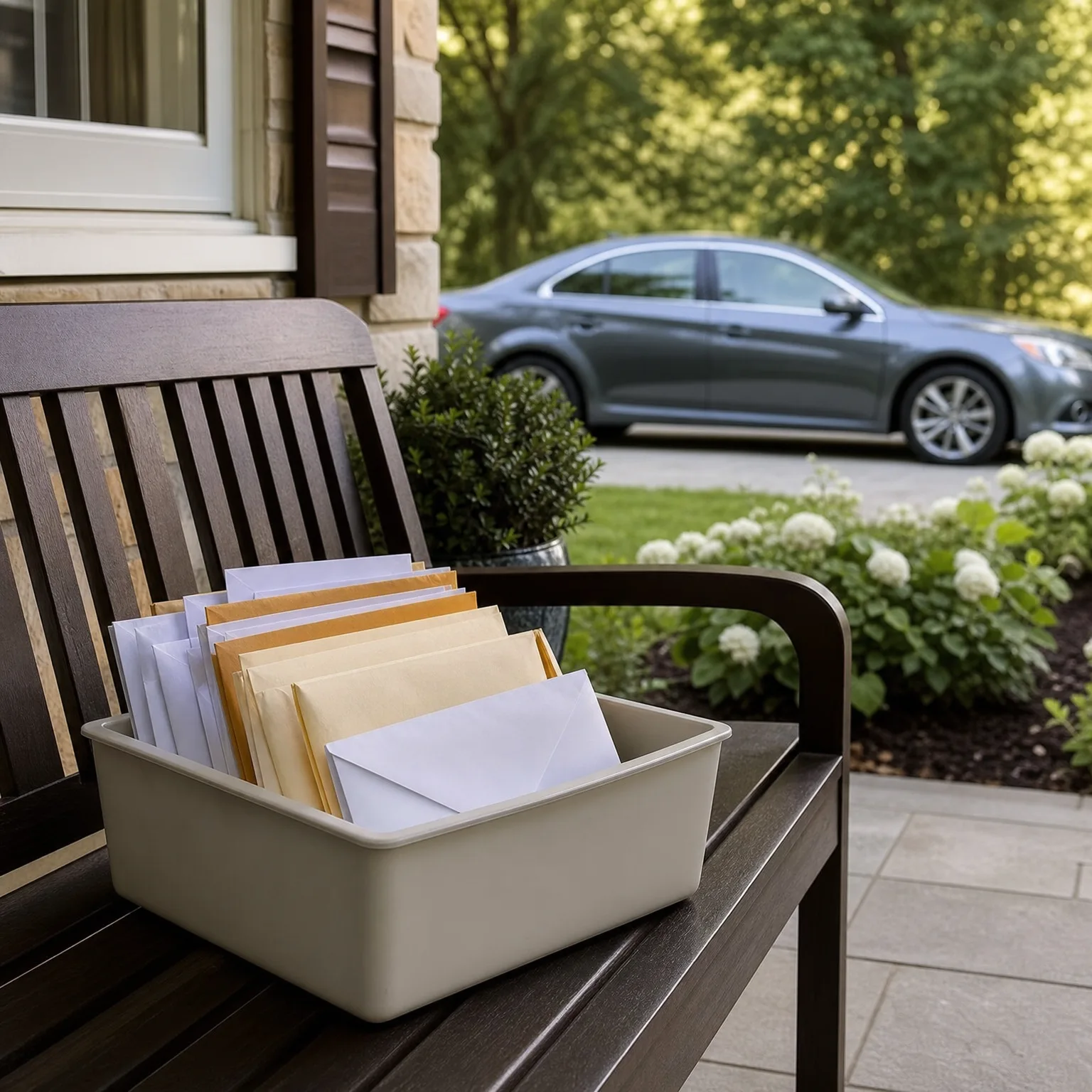
See how your quotes compare before your next renewal lands in the mailbox.

Pull your current policy and your driving record so you know exactly what you're comparing against. If you've completed a defensive driving course recently, find the certificate and confirm with your insurer whether it's already applied to your premium. Get quotes from a few insurers using the same coverage limits and deductibles you have now, and ask each one directly how they price for your age and mileage. If your driving has changed, mention that too, since it can change the quote more than people expect. Do this before your renewal date, not after, so you have time to switch if another insurer offers a better rate for the same coverage.