How Senior Citizens Can Compare Auto Insurance in Missouri
The best way to compare is to gather quotes from several insurers each year and ask directly about any senior discounts, since Missouri doesn't require insurers to offer them.
Compare quotes every year, and ask about senior-specific discounts by name
Missouri doesn't set special rules for how older drivers buy auto insurance. You compare the same way any driver does: get quotes from more than one insurer and look at the full price, not just the monthly number. What changes as you get older is that some insurers offer discounts tied to things like a defensive driving course or a mature driver program, and those discounts don't show up unless you ask for them.
The reason to compare every year rather than sticking with one insurer is that rates shift based on how that company is pricing your age group right now, not how they priced you five years ago. An insurer that was competitive when you turned 65 might not be the best option now. Shopping around is the only way to find that out.

Your driving record still matters more than your age
Insurers in Missouri price a policy based on your driving history first. A clean record with no recent tickets or claims will usually get you a better rate than your age alone would suggest, and a recent accident or citation can outweigh any senior discount you qualify for.
If you haven't had a violation or claim in several years, say so when you request quotes. Some insurers ask directly, others pull your record themselves, but it helps to know what's on it before you start comparing, so you're not surprised by a quote that's higher than expected.
If you have had a recent incident, it's worth checking how long it stays on your record and factors into pricing. That's set by the insurer, not the state, so it varies from one company to the next.
A completed defensive driving course can sometimes offset a point or two on your record, depending on the insurer. Ask whether they recognize the course and what you need to send them to get credit for it.
How you use your car changes what you should be comparing
Many drivers 65 and older drive fewer miles than they used to, whether because they're retired, driving less at night, or no longer commuting. That matters because some insurers offer lower rates for lower annual mileage, and others have pay-per-mile or usage-based programs that can save money for someone who drives less than they used to.
When you compare quotes, tell each insurer roughly how many miles you drive in a year. A quote based on an old estimate from when you were commuting will run higher than it needs to.
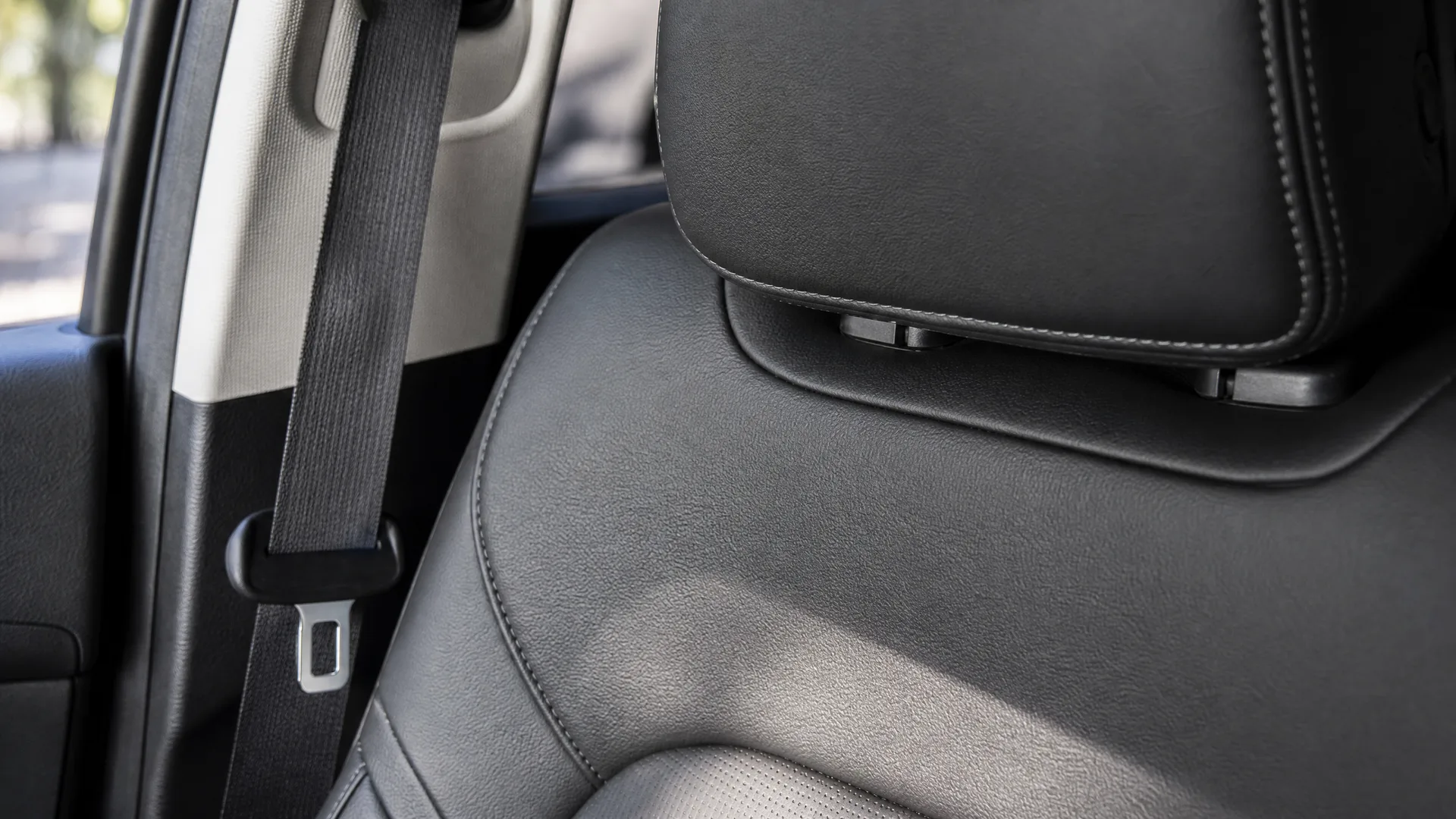
It's also worth mentioning if you've added safety features to your car, or if you only drive one vehicle now instead of two. These details change the comparison and they're easy to leave out if nobody asks.
Questions people ask about this
Does Missouri require insurers to give senior citizen discounts?
No, Missouri doesn't require any insurer to offer a senior discount. Whether one exists, and what it requires, depends entirely on the insurer. Ask each company directly what discounts apply to your age group and what you need to qualify.
Will my Missouri auto insurance go up just because I turned 65?
Not automatically, but some insurers do adjust pricing by age bracket. The only way to know how a specific insurer treats your age is to ask them or get a quote. Your driving record and how you use your car usually matter more than the birthday itself.
Can I still get full coverage as an older driver in Missouri?
Yes, age by itself doesn't limit what coverage you can buy. Insurers may ask more questions about your driving history or vision if you're renewing at an advanced age, but coverage options are the same as for any other driver.
Does a defensive driving course lower my rate in Missouri?
It can, but only if your insurer offers that discount and only after you send them proof you completed it. Taking the course alone doesn't change your rate. Ask your insurer which courses they accept and what paperwork they need.
Should I drop collision coverage on an older car to save money?
That depends on what your car is worth and whether you could afford to replace it without that coverage. It's not an age question, it's a math question specific to your vehicle. Ask your insurer or agent what your car's current value is before deciding.
See what other insurers would charge you before your renewal arrives.

Pull out your current renewal notice and your driving record for the past several years before you start. Call or go online to at least three insurers and ask for a quote using the same coverage limits each time, so you're comparing like for like. Ask each one directly whether they offer a discount for your age group, for a completed driving course, or for low annual mileage, since none of these show up automatically. If you've taken a defensive driving course recently, have the completion certificate ready to send in. Do this comparison every year around your renewal date, not just the first time you turn 65, since pricing changes from one year to the next.