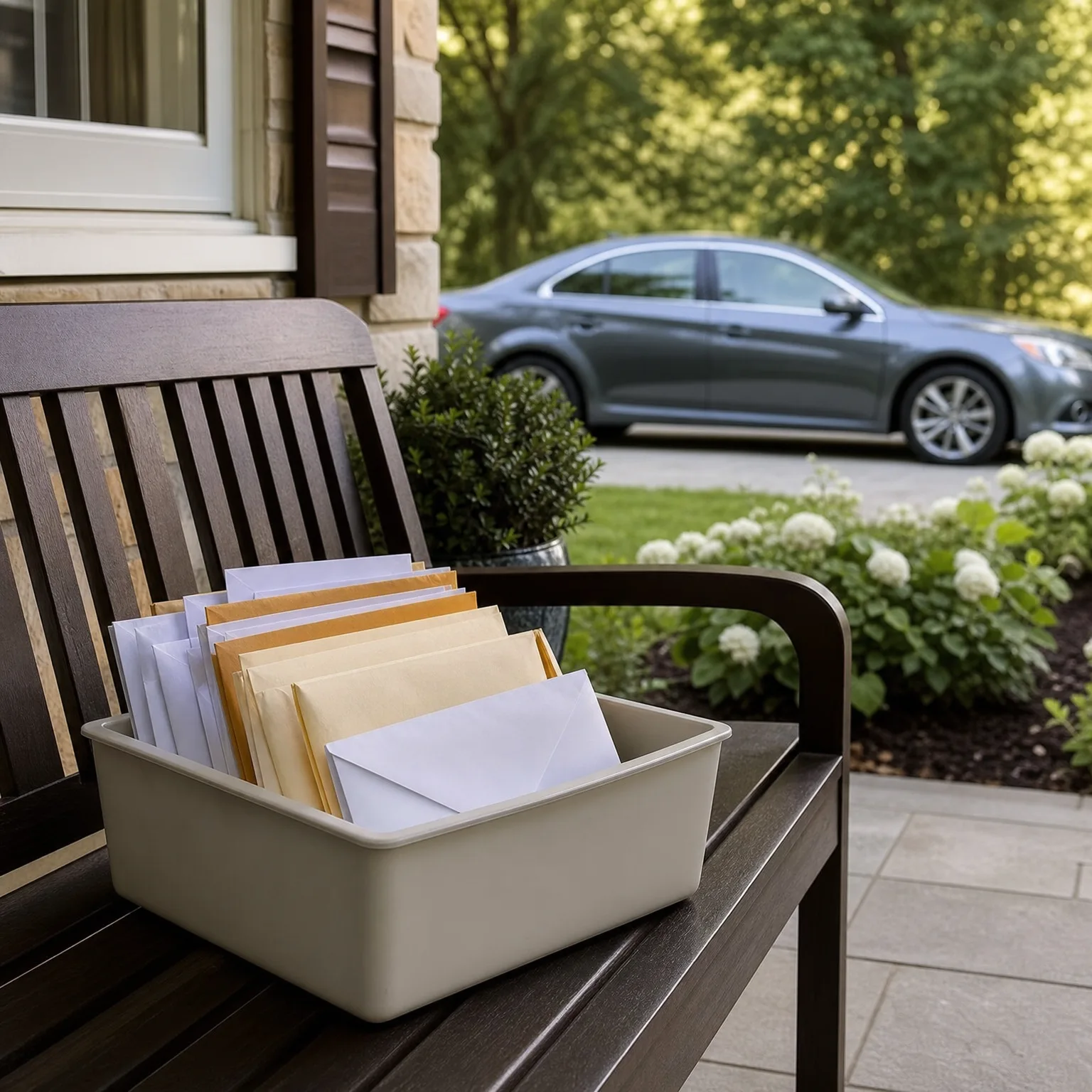
How Senior Citizens Can Compare Auto Insurance in Kansas
Comparing auto insurance as a senior in Kansas means looking past age alone, at your driving record, your car, and what each insurer actually offers someone your age.
Compare based on your record and coverage needs, not just your age
Kansas doesn't require insurers to treat senior drivers any particular way, so your age alone won't get you a better or worse rate from every company. What moves the number is your driving record, the car you drive, how much you drive now, and whether you qualify for discounts like a defensive driving course.
The reason to compare at all is that insurers weigh these things differently. One company might reward a clean record heavily. Another might care more about low annual mileage. Getting quotes from several lets you see which one values what you actually have going for you.
Your driving record still carries the most weight
Insurers look at your record first, and a long clean history usually works in your favor no matter your age. If you've had a ticket or an accident in the past few years, expect that to matter more to some insurers than others.
If your record has changed recently, ask each insurer how far back they look and how much a single incident affects the quote. Some weigh older incidents less than others.
If you've gone years without a claim, mention that directly when you get quotes. It's the kind of detail that doesn't always show up automatically and some insurers reward it more than others do.
A clean record is the strongest thing you bring to this comparison. Make sure every quote you get actually reflects it.
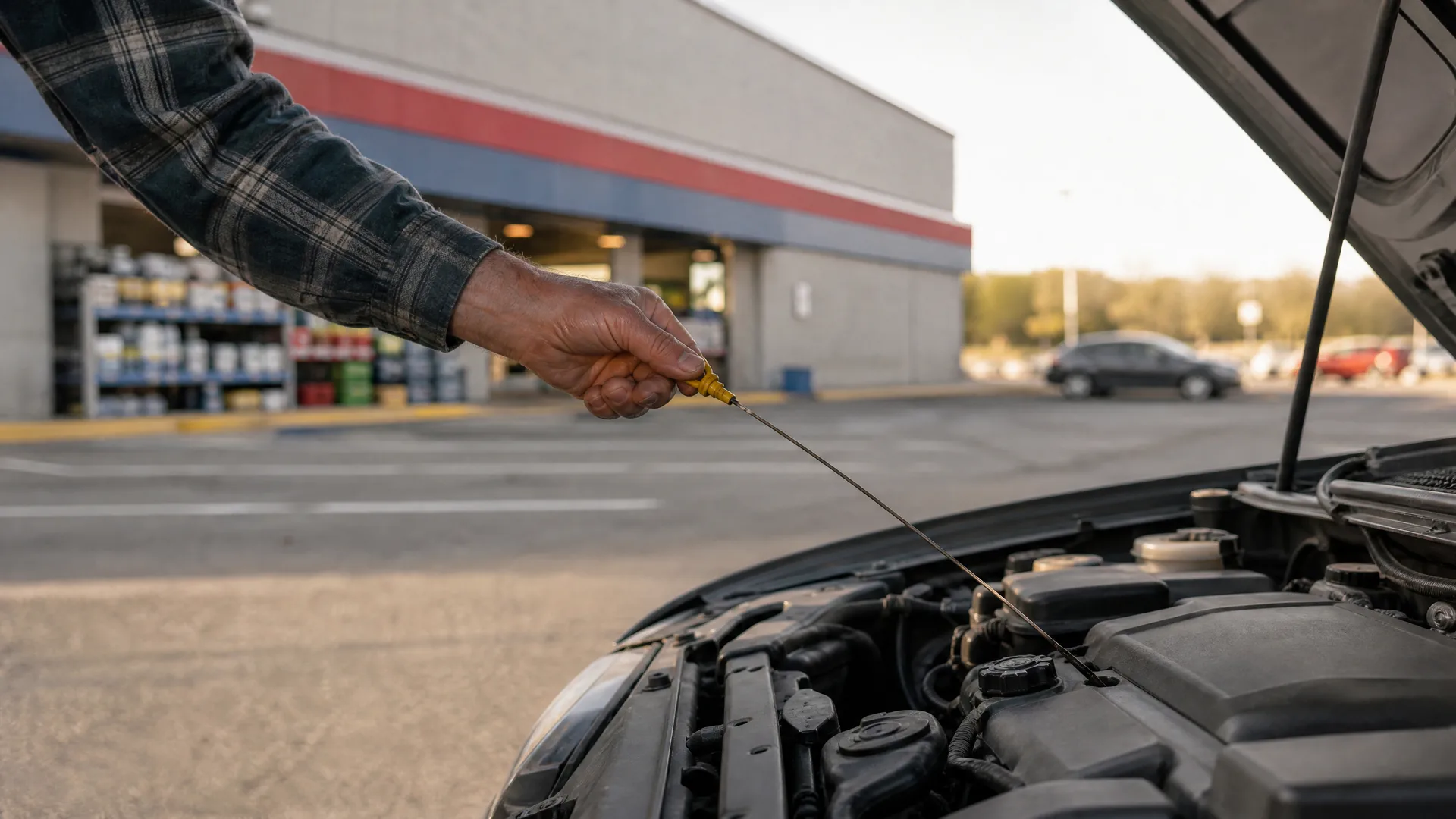
How much and how you drive now matters as much as it ever did
If you're driving less than you used to, whether because you retired, moved closer to family, or just don't take long trips anymore, that's worth mentioning when you compare quotes. Insurers that offer low-mileage discounts need you to tell them, they don't guess.
The car itself matters too. An older, fully paid-off car may not need the same coverage it did when you were still making payments. Ask whether dropping collision or comprehensive makes sense given what the car is worth now.
If you've taken a defensive driving or mature driver course, ask your current insurer and any new one whether it qualifies for a discount, and what they need from you to apply it. Finishing the course isn't enough on its own. You usually have to send in the certificate yourself.
These details change the comparison more than your birthday does. Bring them up with every insurer you quote, not just the one you already have.
Questions people ask about this
Does my Kansas auto insurance rate go up automatically at a certain age?
Not automatically everywhere. Some insurers do factor in age as part of their rating, but Kansas doesn't set a rule requiring it. Ask your insurer directly whether age is part of how they price your policy, and how they weigh it against your record.
Will I lose my safe driver discount if I'm older?
A safe driver discount is usually based on your record, not your age, so it shouldn't disappear just because you've had a birthday. If you notice it's gone, ask your insurer what changed and whether something else on your record or policy triggered it.
Should I drop collision coverage on an older car?
That depends on what the car is worth and what you'd owe if it were totaled versus repaired. Ask your insurer for the car's current value and compare that to what you're paying for collision coverage each year to see if it still makes sense.
Can I still get a multi-car discount if my spouse and I both drive less now?
Multi-car discounts are usually based on having more than one vehicle insured on the same policy, not on how much either of you drives. Ask your insurer directly whether reduced mileage affects that discount or just your individual rate.
What happens to my insurance if I stop driving but keep the car registered?
This depends on your insurer and the state's requirements for keeping a registered vehicle insured. Ask your insurer what minimum coverage, if any, you need to maintain and check with the Kansas Division of Vehicles about registration rules.
See what a few Kansas insurers would actually charge someone with your record and your car.
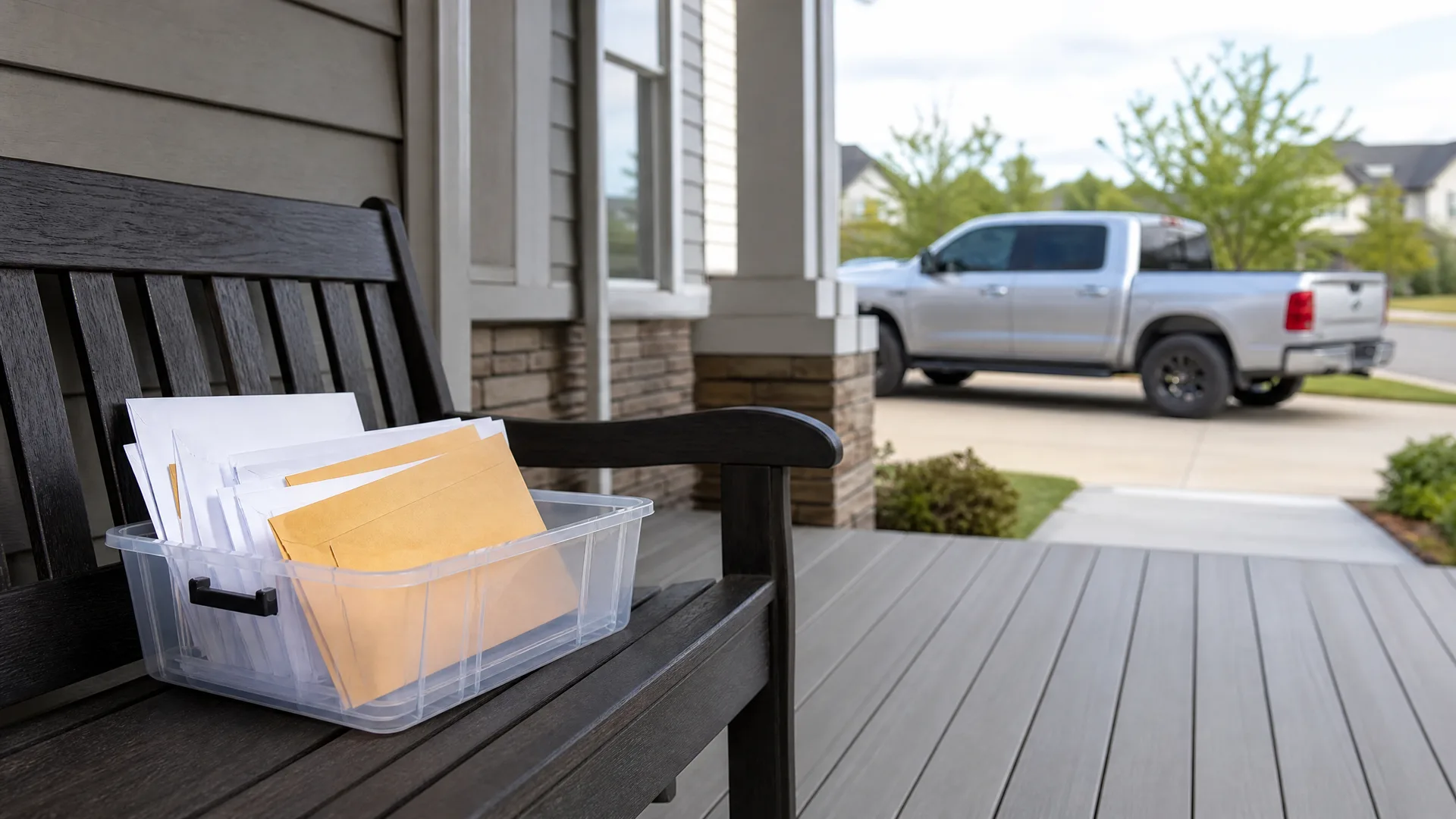
Pull together your current policy, your driving record for the past few years, and the make and year of your car. If you've taken a defensive driving or mature driver course, find the certificate, since you'll need to send it to whichever insurer you choose. Note your average mileage now compared to a few years ago. Then get quotes from a handful of insurers and ask each one directly how they handle age, mileage, and course discounts, since the answers won't be the same from company to company. Compare the actual numbers, not just the headline rate, before you decide whether to switch or stay.