Do I Need Both Collision and Comprehensive
It depends on what your car is worth and whether you could afford to replace it yourself.
Most drivers who own their car outright can choose
If you're still paying off a loan or lease, your lender almost always requires both. That's not optional until the loan is paid off. Check your loan agreement if you're not sure.
If you own the car free and clear, it's your decision. The question is what your car is worth and what you'd do if it were stolen, totaled by a falling tree, or wrecked in a crash that was your fault. Collision covers crashes you cause. Comprehensive covers everything else, theft, weather, animals, vandalism. Dropping one doesn't automatically mean you should drop the other.

What your car is worth right now
An old car with low resale value may not be worth insuring this way at all. If the payout after a claim would be small, the premium you pay for that coverage every year can add up to more than the car is worth replacing.
A newer or more expensive car is the opposite case. If losing it would be a real financial hit, both coverages are doing real work for you.
Ask your insurer for the car's current value, not what you paid for it. That number, compared to what you're paying for collision and comprehensive combined, tells you whether the coverage still makes sense.
This is worth checking every year or two, not just once. Cars lose value steadily, so a decision that made sense a few years ago might not make sense now.
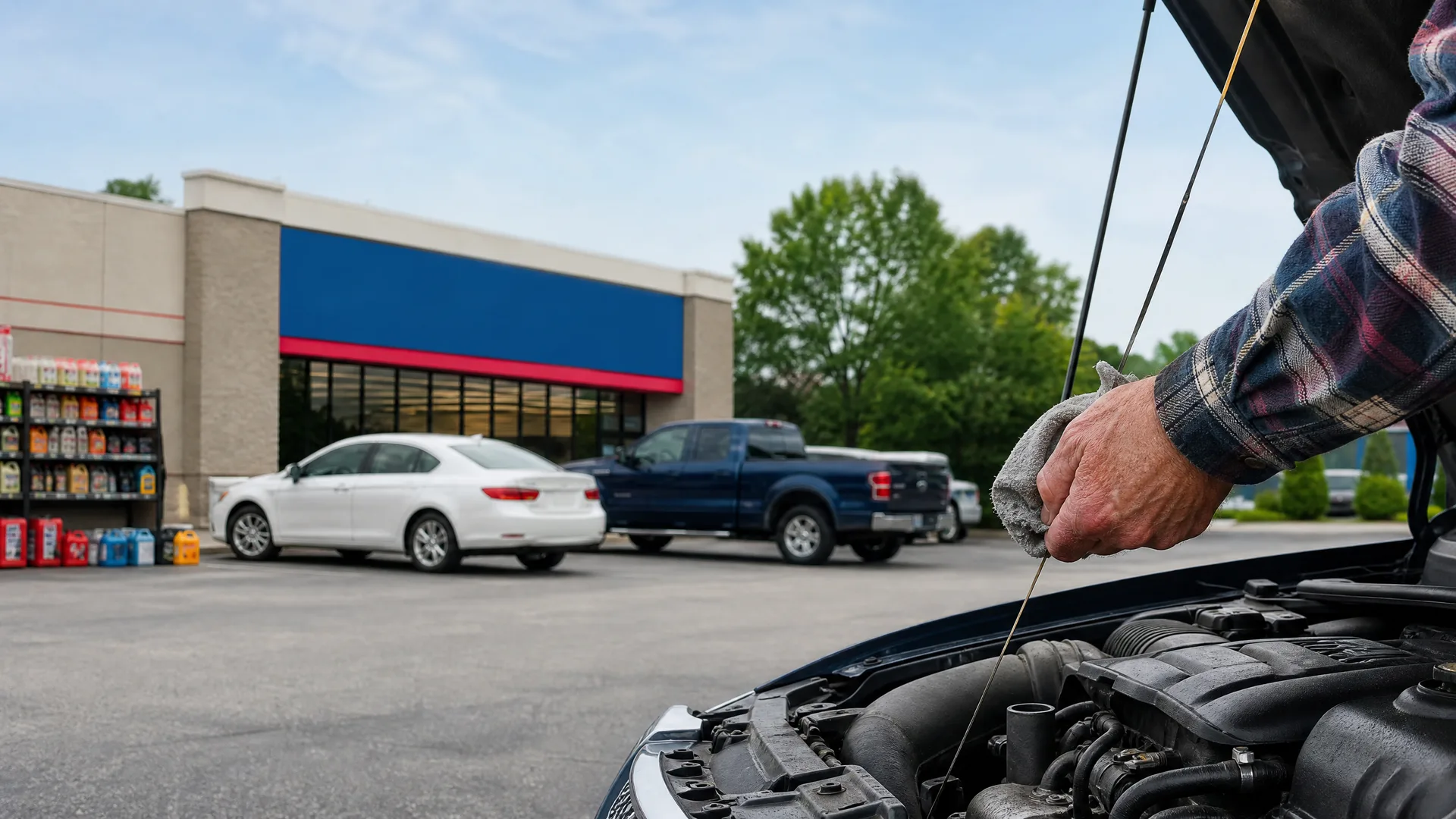
What you could cover yourself
The real question underneath this one is whether you have the savings to replace your car if something happened to it tonight. Comprehensive and collision exist to protect you from that exact situation.
If you have enough set aside to buy a similar car outright, dropping one or both coverages is a real option and some drivers in that position choose to carry only liability.
If you don't have that money available, both coverages are protecting you from a cost you couldn't otherwise absorb, regardless of how old the car is.
Your driving record and where you park also matter here. A history of claims, or parking on the street in an area with a lot of break-ins or severe weather, both make comprehensive and collision more likely to pay out at some point.
Questions people ask about this
Can I drop collision but keep comprehensive?
Yes, insurers let you choose them separately in most cases. People do this when they're confident in their own driving but still want protection against theft or weather damage they can't control. Check with your insurer that this combination is available on your policy.
Does comprehensive cover a cracked windshield?
Usually yes, since windshield damage from a rock or debris falls under comprehensive rather than collision. Some insurers waive the deductible for glass repair specifically. Ask your insurer how they handle glass claims before you need one.
What happens if I total my car and only have liability?
Liability only covers damage you cause to other people and their property, not your own car. If you total your car with only liability coverage, you'd be paying out of pocket to replace it. This is the main reason lenders require full coverage on financed cars.
Will dropping comprehensive lower my premium noticeably?
It depends on your insurer, your car, and where you live, so there's no general answer. Ask your insurer for a quote with and without it so you can see the actual difference for your policy rather than guessing.
Does my car need comprehensive if I rarely drive it?
Comprehensive covers theft, weather, and other non-crash events, so it still applies even to a car that sits parked most of the time. If the car is stored somewhere exposed to weather or theft risk, that's worth weighing against how little you drive it.
Compare quotes with different combinations of coverage to see what actually changes your premium.
Find out what your car is currently worth before you decide anything. Then call your insurer and ask for your premium broken out by coverage type, so you can see exactly what collision and comprehensive are each costing you. If you're still financing the car, check your loan agreement for the minimum coverage it requires. Once you have those numbers, compare them against what you have in savings to replace the car yourself. That comparison, not a general rule, is what should decide this for you.