Car Insurance Basics for Senior Citizens in Utah
Your rate as a senior in Utah depends mostly on your driving record and your insurer's own rules, not your age alone.
It comes down to your record and your insurer, not a birthday
There's no single rule in Utah that raises or lowers your car insurance just because you've reached a certain age. Insurers set their own guidelines, and they look at your driving record, the car you drive, and how you use it, same as they would for any other driver.
What changes for many older drivers is the record itself. Fewer miles driven, a long history without claims, and sometimes a completed defensive driving course can all work in your favor. But none of that is automatic. You have to know what your insurer rewards and make sure they have the information.
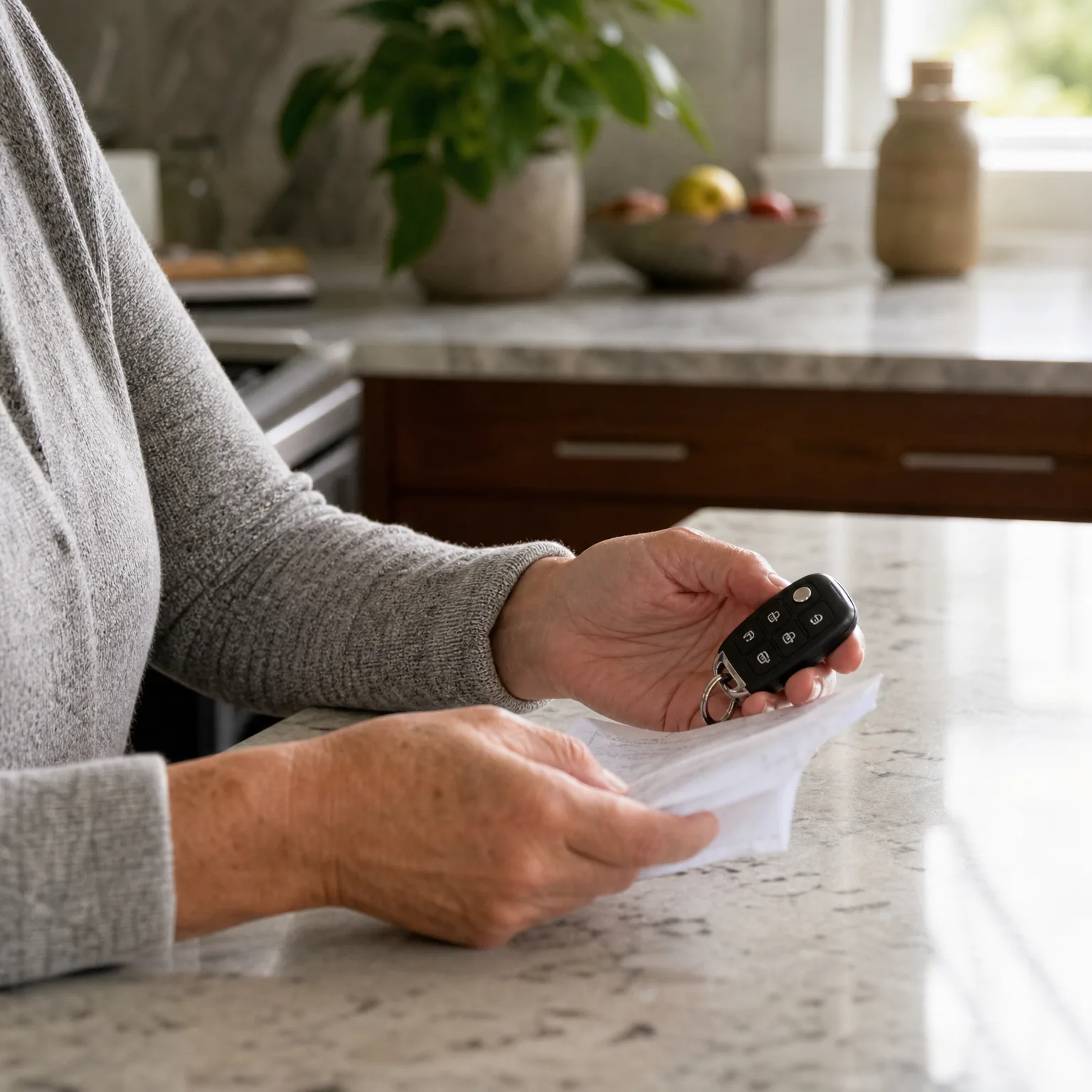
Your driving record still matters most
Insurers in Utah price your policy mainly on what you've actually done behind the wheel. A clean record built up over years carries real weight, and it's one of the clearest advantages a longtime driver has over someone newer to the road.
If you've had a recent ticket, accident, or claim, expect that to affect your rate the same way it would for any driver. Age doesn't offset a recent incident.
If your vision or reaction time has changed, that's between you and the DMV at renewal time, not something your insurer assumes about you. Keep your license current and your medical information up to date with the state, since a lapse there can affect your insurance in ways that have nothing to do with your rate.
It's worth asking your insurer directly what they look at when they price your renewal. Some weigh recent history more heavily than others.
What you don't tell your insurer won't help you
A lot of discounts available to older drivers aren't applied unless you ask. A defensive driving course certificate, a low annual mileage, a second vehicle no longer on the road. These details sit in your file only if you send them in.
The mistake people make most often is assuming their insurer already knows. They finish a course, update their driving habits, or retire and start driving less, then never report any of it. The policy renews the same as before.
Call your insurer or agent and ask plainly what you qualify for and what they need from you to apply it. Keep copies of anything you send, a course certificate, a mileage log, in case it doesn't show up on your next bill.
If you're shopping for a new policy, ask each insurer the same question, since what counts as a discount with one company may not count at all with another.
Questions people ask about this
Do I need a special license renewal process in Utah as a senior driver?
Utah's license renewal rules are set by the state, not your insurer, and they can include different requirements as you age. Check directly with the Utah DMV for what applies to your renewal, including any vision test requirements.
Will my car insurance go up automatically once I turn a certain age?
Not automatically. Insurers price based on their own underwriting rules, and age by itself isn't a figure that triggers a change. What matters more is whether your record or circumstances have changed since your last renewal.
Does a defensive driving course actually lower my premium in Utah?
It can, but only if your insurer offers that discount and you send them proof you completed it. Ask your insurer before you take a course whether they recognize it and what documentation they require.
Should I drop collision coverage on an older car?
That depends on what the car is worth and what you'd be paid out in a claim, which your insurer can tell you. Ask them for your car's current value and compare it to what you're paying for that coverage each year.
What happens to my insurance if I stop driving regularly but keep my car?
Tell your insurer. Many offer lower rates for low mileage or occasional use, but only if you report the change. Leaving your policy as is means you could be paying for coverage based on driving habits you no longer have.
See what other insurers would charge for the same coverage before your renewal arrives.
Pull out your current policy and your most recent renewal notice so you can see exactly what you're paying and for what. Call your insurer and ask what discounts apply to your situation, including any for driving courses, low mileage, or a clean record, and what proof they need. Confirm with the Utah DMV whether your license renewal has any requirements coming up, since a lapsed license can complicate your insurance. Then compare that information against quotes from a couple of other insurers to see whether your current company is still competitive. Do this before your renewal date, not after, so you have time to act on what you find.