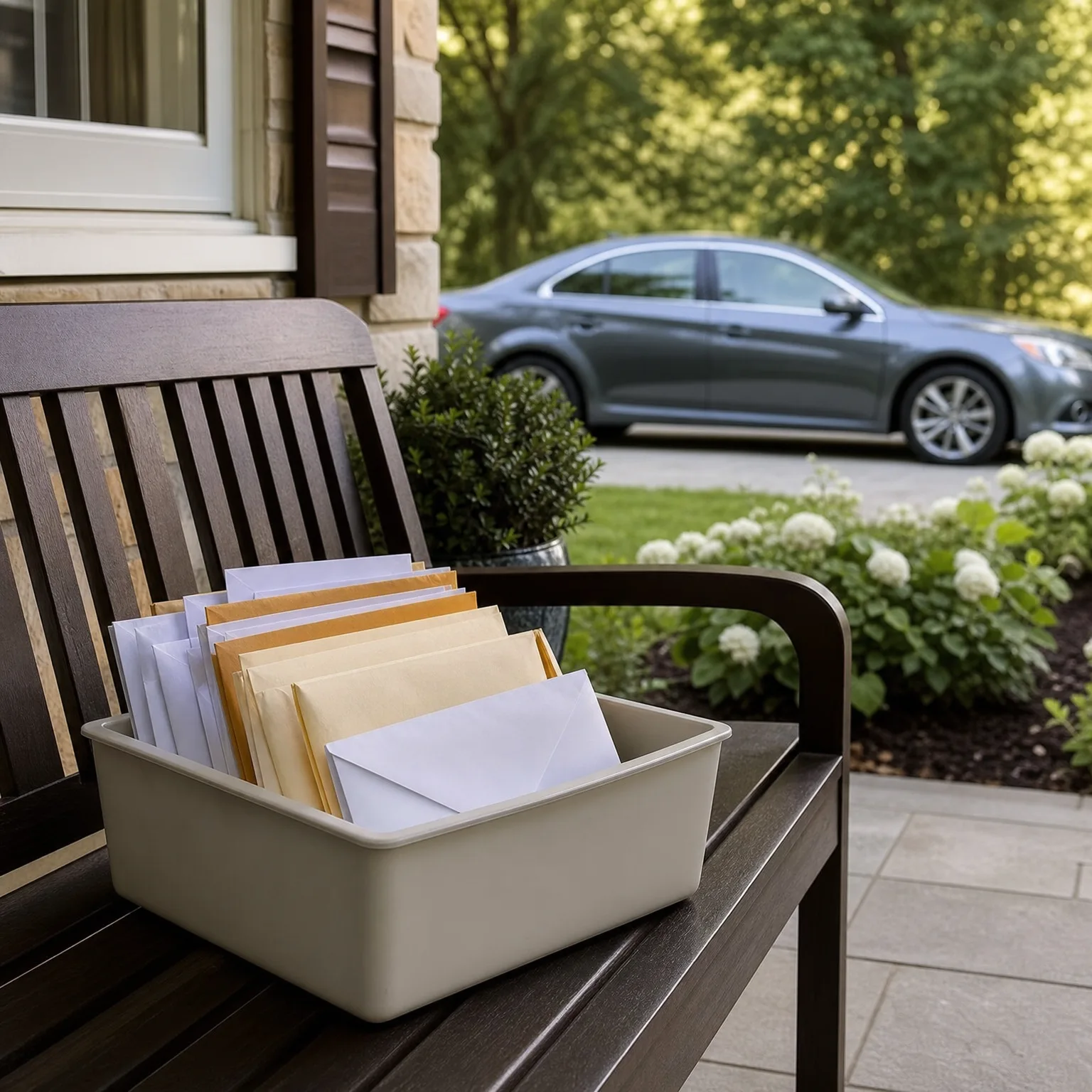
Car Insurance Basics for Senior Citizens in South Dakota
Your age alone doesn't raise your rate, but how you drive and what you can prove to your insurer does.
Age isn't the deciding factor, your record and your coverage are
Turning 65 doesn't automatically change your car insurance rate in South Dakota. Insurers set rates using your driving record, the car you drive, where you live, and how much coverage you carry. Age is one factor among several, and it can cut either way: some insurers see decades of experience as a plus, others watch more closely once a driver reaches a certain age.
What matters most is what you can show your insurer. A clean record, a defensive driving course certificate, and the right coverage level for your situation will do more for your premium than your birthday will. If your rate went up at renewal, the reason is more likely something on your record or a change in your coverage than your age by itself.
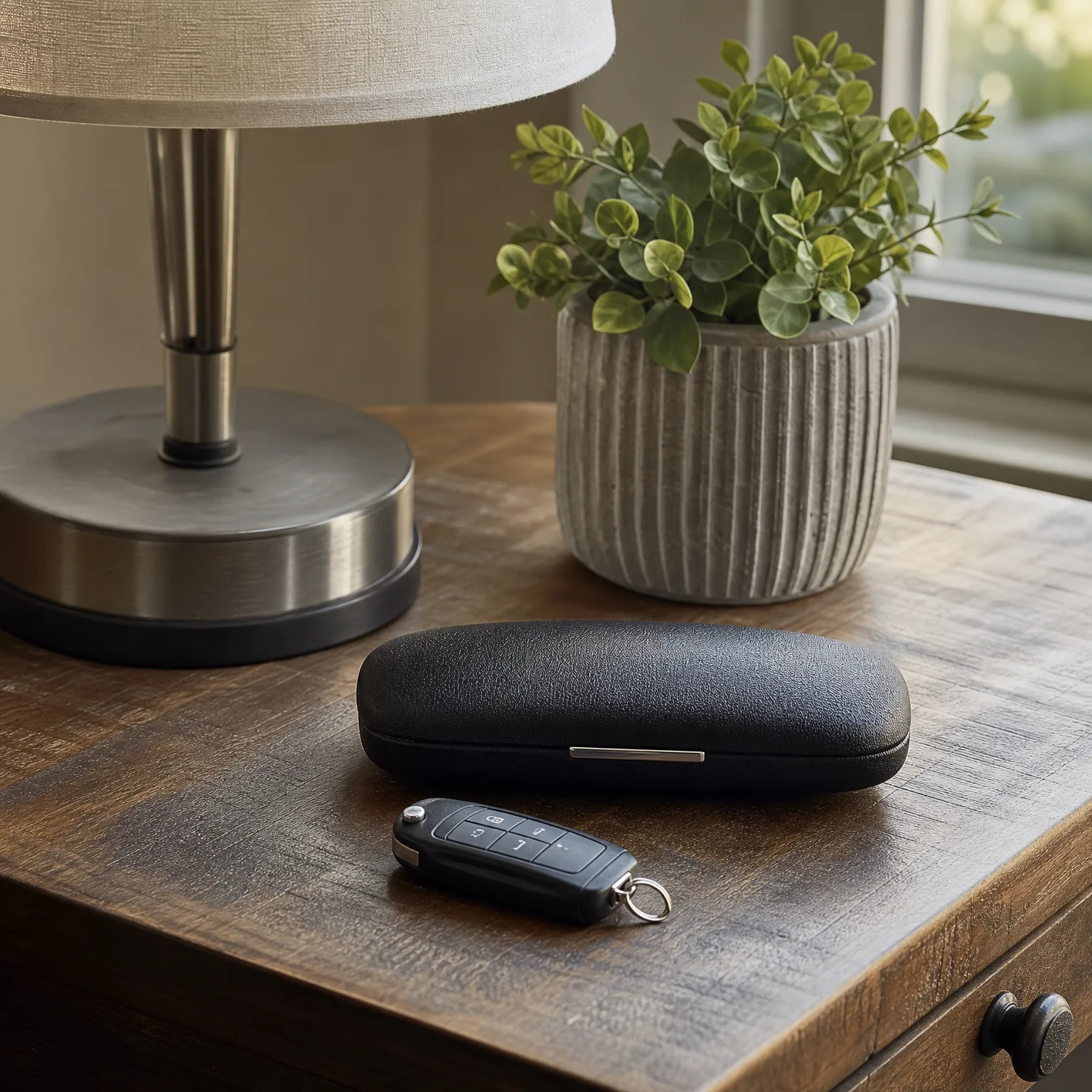
Your driving record and any course certificates on file
Your driving record carries more weight than almost anything else in how your insurer prices your policy. A ticket, an accident, or a lapse in coverage will show up in your rate before your age does.
Many insurers offer a discount for completing a defensive driving or mature driver course, but South Dakota law doesn't require them to, and the insurer won't apply it automatically. You have to send them the certificate yourself after you finish the course. Ask your agent or insurer whether they offer this discount and what they need from you to apply it.
If you haven't had a moving violation or claim in some time, ask your insurer directly whether that's reflected in your current rate. Some insurers reward a long clean record more than others, and the only way to know is to ask.
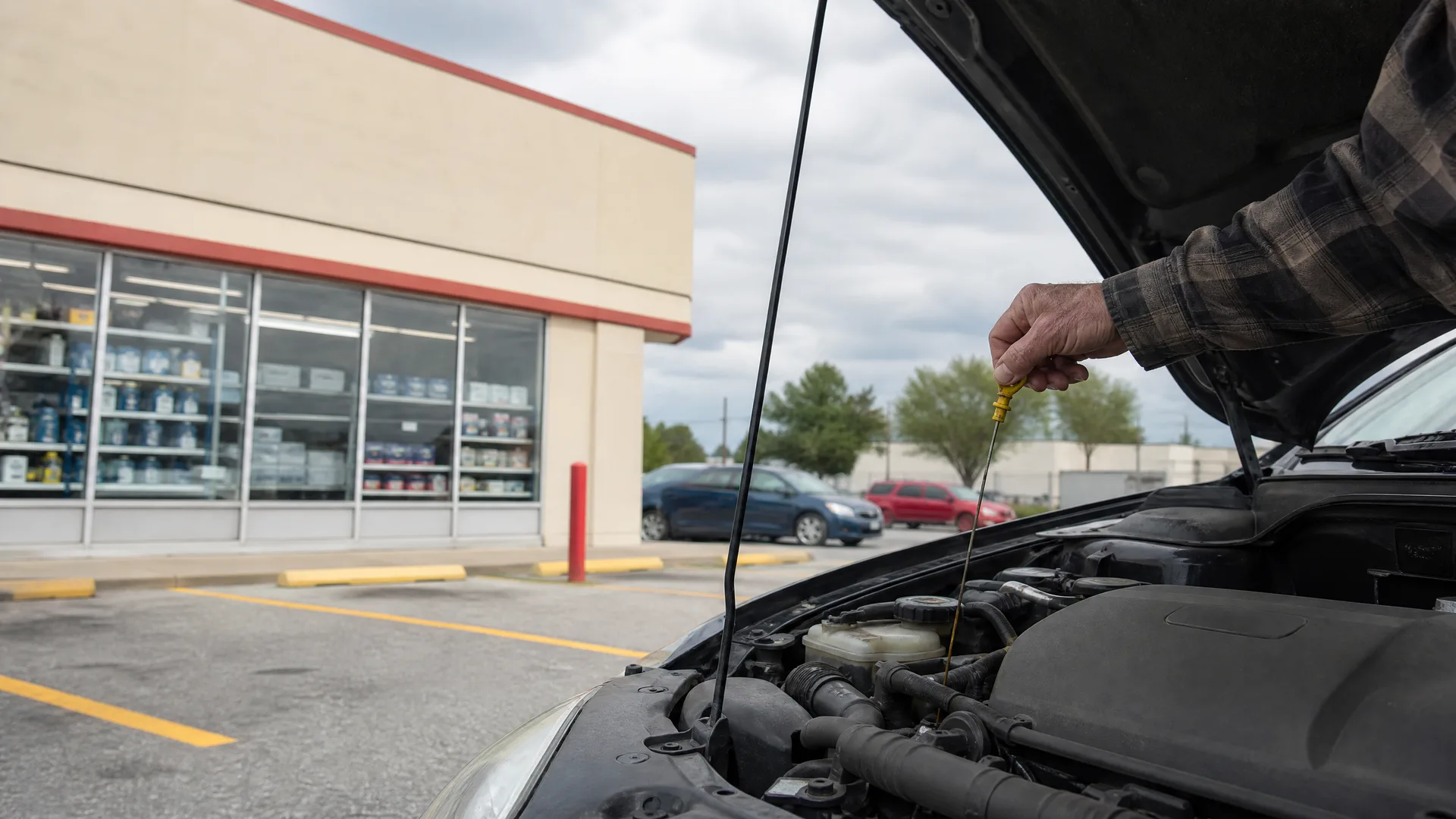
Whether your coverage still matches how you drive
If you're driving less than you used to, whether that's shorter trips, fewer trips, or no highway driving anymore, your insurer may not know that unless you tell them. Mileage is one of the things that can affect your premium, and some insurers offer lower rates for lower annual mileage.
It's also worth reviewing what coverage you're paying for. If your car is older and worth less, carrying full comprehensive and collision coverage may cost more than it would pay out if the car were totaled. This isn't about dropping coverage you need, it's about matching your policy to your actual car and driving habits.
South Dakota doesn't require insurers to reassess your coverage as you age, so this review is something you or your family need to prompt. Pull out your renewal notice and go through it line by line, or ask your agent to walk through it with you.
Questions people ask about this
Does South Dakota require a vision test to renew a driver's license at a certain age?
South Dakota's license renewal requirements, including any vision test rules tied to age, are set by the state's Department of Public Safety. Check directly with them or review your renewal notice, since these rules can change and vary by state.
Will my car insurance go up automatically when I turn 65?
No insurer automatically raises your rate at a specific birthday. Rate changes come from your driving record, claims history, or broader changes the insurer makes to its pricing. If your rate changed around your birthday, ask your insurer what specifically drove the change.
Can my family add themselves to my policy if I stop driving regularly?
This depends on your insurer's rules and your policy structure. Ask your insurer directly whether an adult child or other family member can be added as a listed driver and what that would mean for your premium.
What happens to my insurance if I let my license expire instead of renewing it?
If you no longer hold a valid license, you generally can't maintain an active auto policy as the primary driver. Talk to your insurer before your license lapses to understand your options, since this varies by company.
Is there a separate insurance discount for taking a mature driver safety course in South Dakota?
Some insurers offer a discount for completing an approved mature driver or defensive driving course, but this isn't required by state law and not every insurer offers it. Ask your insurer directly which courses qualify and what proof they need.
See how your current rate compares before you decide whether to switch or stay.

Pull your most recent renewal notice and read through what you're actually paying for, line by line. Call your insurer and ask two things directly: whether you qualify for any mature driver or low mileage discount, and whether your current coverage still fits the car you drive and how often you drive it. If you've completed a defensive driving course recently, send in the certificate now rather than assuming it was applied automatically. Once you know what you're currently paying and for what, compare that against quotes from other insurers to see whether your rate reflects your actual driving record or just inertia.