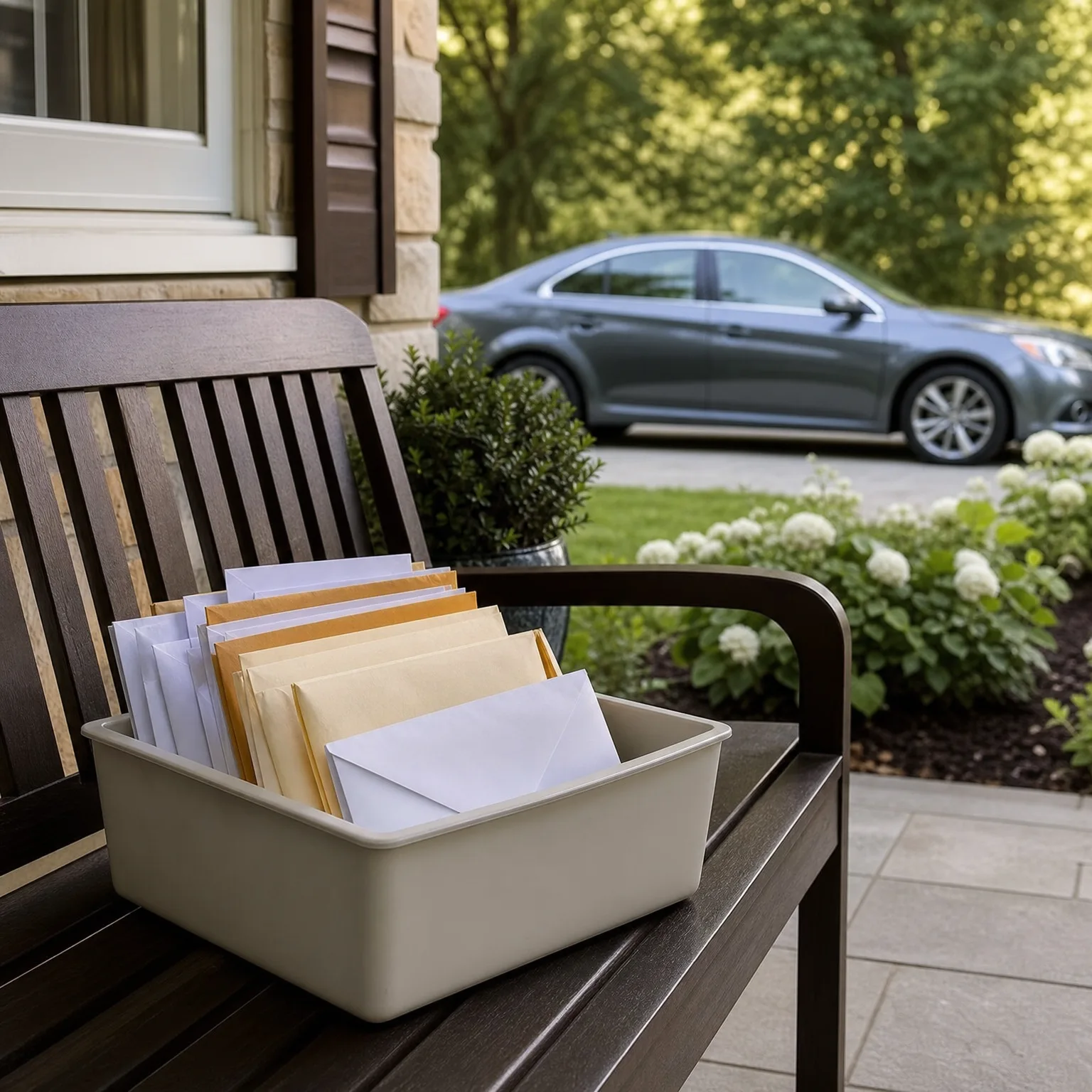
Car Insurance Basics for Senior Citizens in Pennsylvania
Your age alone doesn't raise your rate, but how you drive, what you drive, and whether you've taken a defensive driving course all do.
Senior drivers in Pennsylvania aren't charged more by law, but several things in your file can move your rate
Pennsylvania doesn't set insurance rates by age. Insurers do, and most look at your driving record, how much you drive, and sometimes your health and vision status as reported through license renewal. A clean record and a low-mileage lifestyle can work in your favor at any age.
What changes things most is a completed defensive driving course. Pennsylvania requires insurers to offer a discount to drivers over a certain age who complete an approved course, but you have to send in the certificate yourself. The discount doesn't appear automatically.
Your driving record still matters more than your birthday
Insurers price risk, not age. A senior driver with a clean record for years will usually see a better rate than a younger driver with recent tickets or an accident. If your record is clean, say so when you compare quotes. Some companies ask directly, others pull it themselves.
If you've had a recent accident or moving violation, expect your rate to reflect that regardless of your age. This is true for every driver, but it matters more to point out here because people sometimes assume turning a certain age resets the slate. It doesn't.
If your eyesight or reaction time has become a concern, that's a conversation to have with your doctor and, if needed, with PennDOT before it becomes a claims issue. An insurer finding out after a claim is worse than you addressing it ahead of time.
Keeping a few years of clean driving on record, even as you age, is one of the most reliable ways to keep your premium from creeping up.

The mature driver course discount isn't automatic
Pennsylvania law requires that insurers offer a premium reduction to older drivers who complete a state-approved mature driver improvement course. But the insurer won't know you took it unless you tell them. You'll need to send a copy of your completion certificate to your agent or insurer directly.
These courses are typically available in person or online, and completing one can be worth doing even aside from the discount, since it's a refresher on current road rules.
The discount may need to be renewed periodically. Ask your insurer how often you'd need to retake the course to keep the reduction, since this varies by company.
If you're shopping for a new policy, ask every insurer you're comparing whether they offer this discount and what they need from you to apply it. Not all insurers handle it the same way.
Questions people ask about this
Does PennDOT require vision tests for older drivers at license renewal?
Pennsylvania doesn't require vision testing at every renewal for all drivers, and rules can differ based on how PennDOT flags your file. Check your renewal notice for specific requirements, or ask PennDOT directly what applies to you.
Will my insurer drop me if I have a health condition that affects driving?
An insurer generally can't cancel your policy simply because of your age or a disclosed health condition. Nonpayment, fraud, or a pattern of claims and violations are the usual reasons for non-renewal. If you're worried about a specific condition, ask your insurer how they handle it before it becomes an issue.
Can I stay on my spouse's policy as we both get older?
In most cases yes, as long as both drivers are listed and meet the insurer's underwriting standards. Ask your insurer whether combining your policies affects your rate, since it sometimes lowers it and sometimes doesn't depending on both drivers' records.
Does reducing how much I drive lower my premium?
Many insurers offer lower rates for lower annual mileage, which is common for retirees who commute less. Ask your insurer if they offer a low-mileage discount and how they verify your mileage, since methods vary.
What happens to my insurance if PennDOT restricts my license to daytime driving only?
A restricted license doesn't automatically raise your rate, but you should tell your insurer about any restriction on your license. They may ask for updated license details at renewal, and failing to disclose a restriction could complicate a future claim.
See how your age, record, and course certificate actually compare across insurers before you renew.

Pull out your current renewal notice and check what you're paying now. If you've taken a defensive driving course in the past few years, find your completion certificate and confirm with your current insurer whether the discount is already applied. If it isn't, send it in this week. When you compare quotes, mention your clean driving record, any low-mileage habits, and the course completion to each company, since not all of them ask for this upfront. If you have a license restriction or a health condition that affects driving, have that information ready to disclose as well. Once you have a few quotes side by side, call your current insurer and ask if they'll match or explain the difference.