Car Insurance Basics for Senior Citizens in Nebraska
Your age alone doesn't set your rate in Nebraska, but how insurers weigh your age, your driving record, and your car does.
There's no single rule for senior drivers in Nebraska
Nebraska doesn't have a special insurance program or a separate set of rules for drivers because they've turned a certain age. Your premium is still built from your driving record, the car you drive, where you live, and the coverage you choose. Age is one factor among several, not the deciding one.
What changes for many drivers later in life is the mix of those factors. A long clean record can work in your favor. Fewer miles driven can too. Some insurers also look more closely at recent claims or at how a renewal has drifted from what you expect to pay, which is often what sends people searching for this in the first place.
Your driving record still carries the most weight
Insurers set your premium mostly on what you've actually done behind the wheel. A clean record over recent years matters more than your birth year. If you haven't had a ticket or an at-fault claim in a long stretch, that history is worth asking about directly when you shop or renew.
If you have had a recent citation or claim, expect that to show up in your rate regardless of age. Ask your insurer how long that stays on file and when it stops affecting your premium.
Some Nebraska insurers offer a discount for completing an approved defensive driving or mature driver course. The course itself doesn't lower your rate automatically. You usually have to send the insurer your completion certificate after you finish, so ask ahead of time whether your insurer offers this and what they need from you.
Nebraska doesn't require periodic vision tests or in-person renewals tied to age for most license holders, but confirm this with the Nebraska DMV, since license renewal rules are set by the state and can change.
How you compare quotes matters as much as your age
Insurers don't all weigh the same factors the same way. One company might price you well because of your clean record and low annual mileage, while another weighs your age more heavily. The only way to know is to get quotes from more than one insurer rather than assuming your current one still offers the best rate.
The car you drive affects this too. An older, paid-off car usually costs less to insure, and you may be able to drop collision or comprehensive coverage if the car's value no longer justifies the cost. Ask your insurer what your car is valued at before deciding.
If you've recently reduced how much you drive, whether because you retired or cut back for other reasons, tell your insurer. Some offer a lower rate for low annual mileage, but only if you report it.
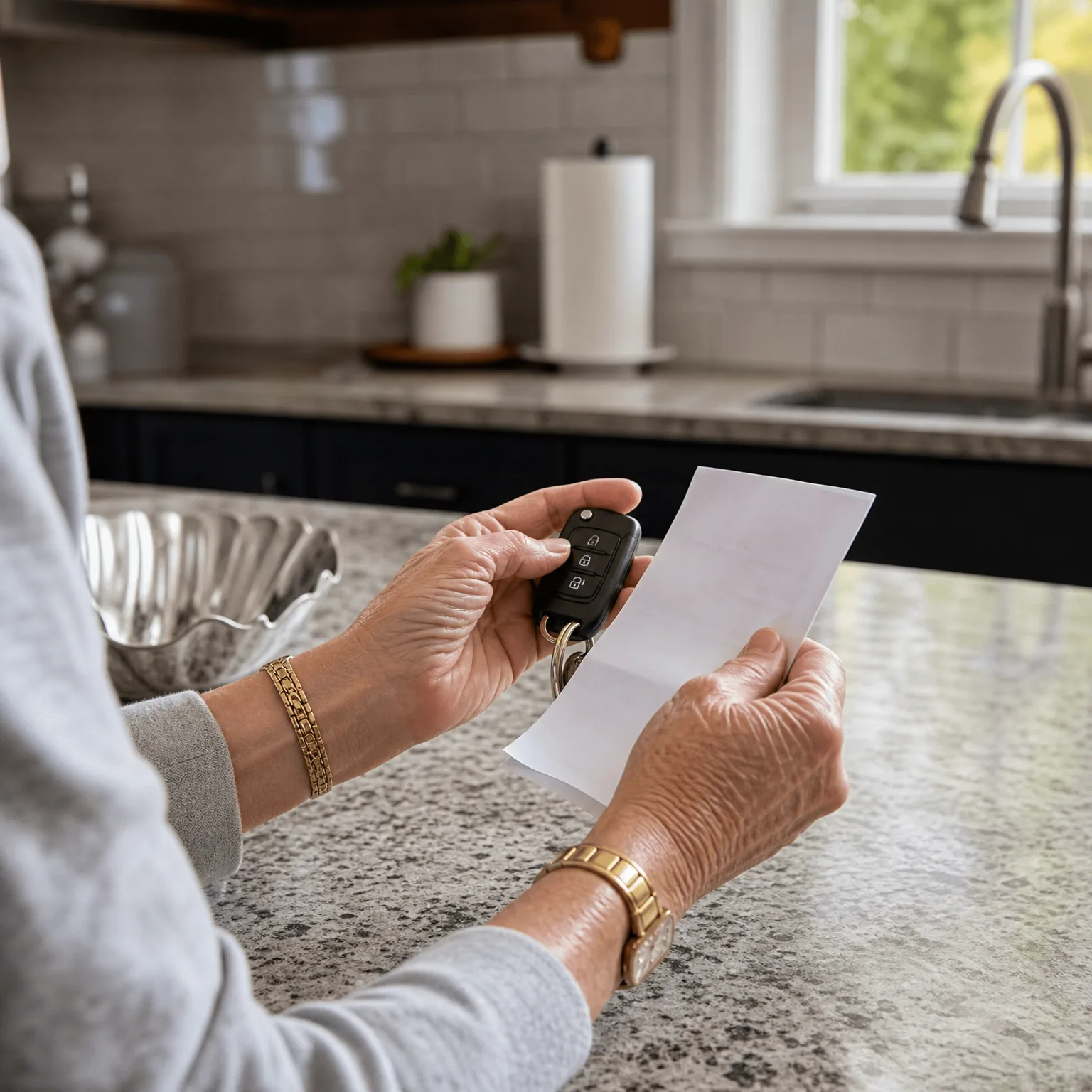
If a renewal notice is what brought you here, call your current insurer and ask directly why the rate changed before you assume it's about your age. It might be a claim, a change in coverage, or a rate increase that applied to everyone in your area.
Questions people ask about this
Can my car insurance be cancelled just because I'm older?
No, an insurer cannot cancel your policy based on age alone. Cancellations are typically tied to things like non-payment, a lapse in coverage, or a serious change in your driving record. If you get a cancellation or non-renewal notice, ask the insurer in writing for the specific reason.
Do I need a driving test to renew my license in Nebraska?
Check with the Nebraska DMV directly, since license renewal requirements are set by the state and can include things like vision screening at certain renewal cycles. These rules are separate from your car insurance and don't affect your premium directly, though a restricted license could affect what coverage you're eligible for.
Will my insurance rate go up automatically as I get older?
Not automatically and not for everyone. Some insurers adjust pricing tiers at certain ages, others don't. The clearest way to know is to ask your insurer directly how they factor age into your specific policy, since this varies by company.
Should I drop collision coverage on an older car?
That depends on what your car is currently worth and what you'd receive in a claim versus what you're paying for the coverage. Ask your insurer for your car's current valuation, then weigh that against your collision premium to decide if it still makes sense.
Does a family member taking over my policy change my rate?
It can, depending on who is added and their own driving history, but this varies by insurer and by the specific change being made. Ask your insurer directly what adding or transferring a driver would do to your premium before making the change.
See what other Nebraska insurers would charge for your situation before you renew.
Pull your current policy and your most recent renewal notice so you can see exactly what changed and why. Call your insurer and ask them to explain any increase in plain terms, including whether it's tied to your record, your car, or a broader rate change. Ask specifically whether they offer a mature driver course discount and what they need from you to apply it. If you've cut back on driving, tell them, since that can open up a lower mileage rate. Then get quotes from at least two or three other insurers using the same coverage levels, so you're comparing like for like rather than guessing.