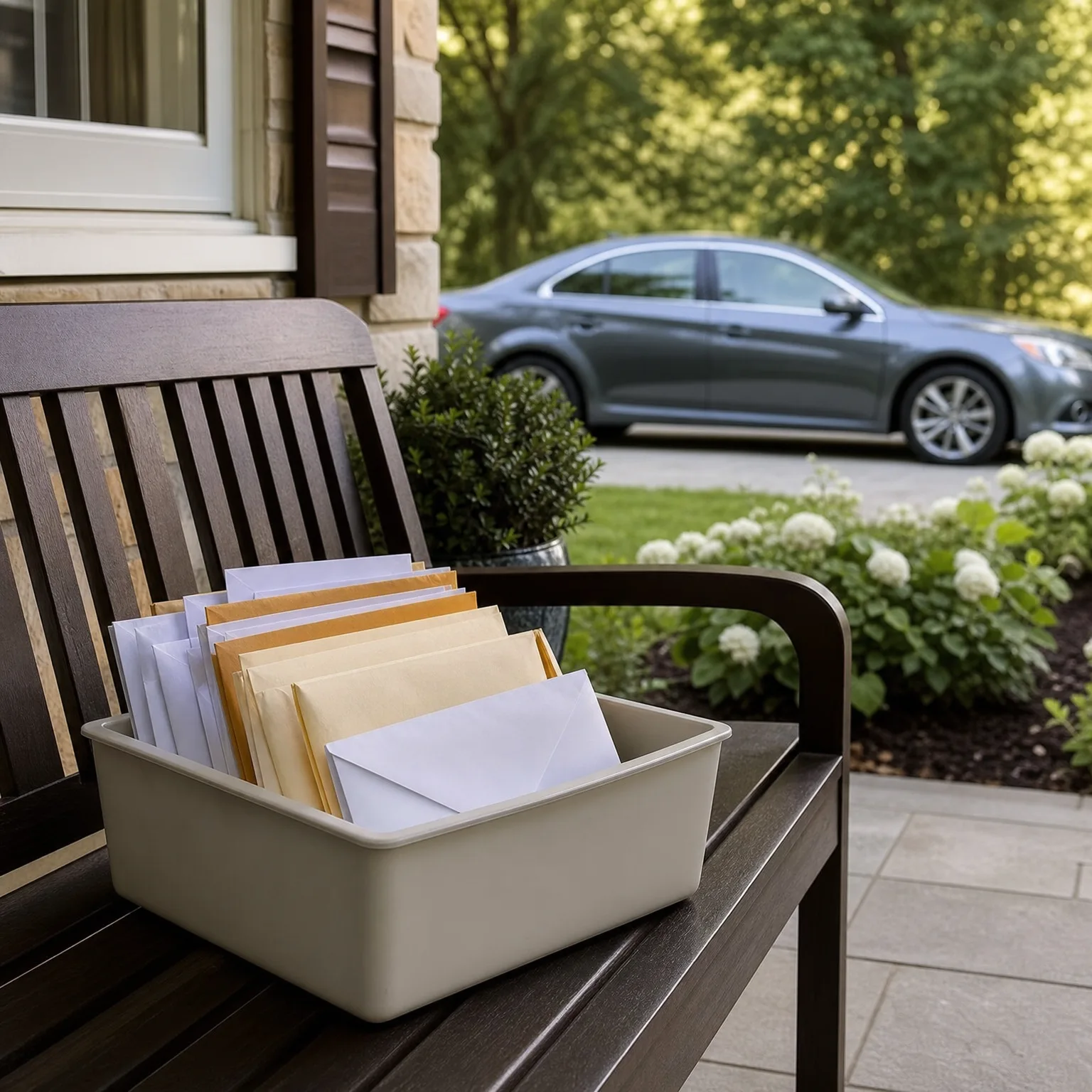
Car Insurance Basics for Senior Citizens in Indiana
Age alone doesn't raise your rate in Indiana, but it changes what insurers look at and what you should be asking about.
Your rate depends on your record and your insurer, not a birthday
Indiana doesn't let insurers charge you more just because you turned a certain age. What changes your premium is the same as it's always been: your driving record, the car you drive, where you live, and how much coverage you carry. Some insurers do look more closely at drivers in their seventies and beyond, but that shows up as a review of your record and sometimes a request for a vision test, not an automatic increase.
What's different now is that you likely qualify for things you didn't before. A mature driver course can lower your premium. Some insurers have a separate discount for having a long history with them. None of this happens on its own. You have to ask your insurer what applies to you, because what's available and how much it's worth depends on the company, not the state.

The mature driver course changes your rate, but only if you send in the certificate
Indiana recognizes mature driver improvement courses, and insurers in the state generally give some kind of discount for completing one. The course itself is usually short, often online, and covers the kind of refresher material aimed at older drivers, like changes in reaction time or updated road rules.
The part people miss is what happens after the course. Finishing it doesn't change your premium. Your insurer has to receive the certificate and apply it to your policy. Call your agent or insurer before you take the course and ask exactly how they want the certificate submitted and whether the discount applies automatically after that or whether you need to request it.
Also ask how long the discount lasts. Some insurers require the course again after a set period to keep the discount active. If nobody tells you that, you may find it quietly drops off a renewal down the line.
A renewal letter about your license can affect your insurance too
In Indiana, license renewal requirements change at certain ages, and some drivers face more frequent renewals or in-person requirements as they get older. This is a state licensing matter, handled by the BMV, not by your insurance company. But the two are connected in practice.
If your license renewal involves a vision test or a road test, passing it without restriction matters to your insurer too. A license with new restrictions, like daytime-only driving, is something your insurer will want to know about, since it affects what you're covered to do.
Check with the Indiana BMV directly for what your specific renewal requires at your age, since this is set by the state and isn't something your insurer can tell you. If your license comes back with any restriction, call your insurer and ask how that affects your policy before you assume nothing has changed.
Questions people ask about this
Does my car insurance go up automatically when I turn 65?
No, turning 65 doesn't trigger an automatic increase in Indiana. Insurers set rates based on your driving record and other factors, not a specific birthday. If your rate does go up around that time, ask your insurer directly what caused it rather than assuming it's your age.
Can my insurer drop me for being too old to drive safely?
An insurer can decline to renew a policy, but this is tied to your driving record or claims history, not your age by itself. If you're ever notified of a non-renewal, ask for the specific reason in writing so you know what to address.
Do I need less coverage once I'm retired and driving less?
Driving less can sometimes lower your premium, since some insurers ask about annual mileage. It doesn't mean you need less liability or coverage protection though. Ask your insurer whether they offer a low-mileage discount and what proof they need, like an odometer reading.
What happens to my insurance if my license gets restricted?
A restriction, like daytime-only driving, needs to be reported to your insurer since it affects what your policy covers. Ask your insurer how a restricted license is handled on your specific policy, since this can vary by insurer.
Should I bundle my home and auto insurance as a senior in Indiana?
Bundling can lower your combined premium, but whether it's worth it depends on what each insurer charges separately versus together. Ask your current home and auto insurers for a side-by-side quote before you decide, since the savings aren't the same with every company.
See what different insurers would charge you before you renew at the same rate out of habit.
Find your most recent renewal notice and your driving record for the past few years, since you'll want both in hand. Call your current insurer and ask three things: whether you qualify for a mature driver course discount, whether a low-mileage discount applies to you, and how a license restriction, if you ever get one, would affect your policy. Check the Indiana BMV's website or office for what your license renewal requires at your age, since that's separate from insurance and set by the state. Once you know what your current insurer offers, compare that against quotes from other companies to see whether you're paying for coverage you no longer need or missing a discount you qualify for.