Car Insurance Basics for Senior Citizens in Hawaii
Your age alone doesn't raise your rate, but how you drive now and what you can document to your insurer does.
Basics for senior drivers in Hawaii come down to documentation and shopping around
Car insurance for older drivers in Hawaii works the same way it does for any driver. Insurers price your policy based on your driving record, the car you drive, where you live on the islands, and the coverage you choose. Age by itself isn't a penalty.
What changes as you get older is what you can do to keep your rate reasonable. A mature driver course, a clean recent record, and the right coverage choices for a car you may be driving less all matter more than they did before. Hawaii insurers set their own rules for how much those things count, so the real work is asking your insurer directly and comparing what others offer.
Your driving record still decides more than your birthday
Insurers in Hawaii look at your driving history over recent years, not your age on its own. A clean record keeps your rate where it is. Tickets, accidents, or claims push it up regardless of how long you've been driving.
If you haven't had a violation or claim in a while, that's worth mentioning when you shop for a new policy or call your current insurer about renewal. Some companies reward a long clean stretch more than others do.
If your eyesight, reaction time, or health has changed, that's a separate conversation from your insurance rate. Hawaii's DMV sets its own rules about vision tests and license renewal requirements for older drivers, and those are worth checking directly with the DMV rather than assuming your insurer knows or cares.
A mature driver safety course can often lower your premium, but only if your insurer actually gives a discount for it and only if you send them the certificate after you finish. Ask your agent or insurer whether they offer this before you sign up for a course, so you know it will count.
How much you drive and what you drive changes what coverage makes sense
Many people drive less after they retire. If your annual mileage has dropped, tell your insurer. Some offer a lower rate for low mileage, and you won't get it unless you ask.
The car itself matters too. An older, fully paid-off car may not need the same collision and comprehensive coverage a newer financed car does. Dropping coverage you don't need can lower your premium, but check your car's value first so you're not underinsured if something happens to it.
If you're on a fixed income, it's worth asking your insurer about every discount they offer, not just the ones aimed at seniors. Bundling home and auto, paying in full, or being a longtime customer can all matter as much as age-specific discounts.
If you stop driving altogether, don't just let the policy lapse. Ask your insurer what happens to your coverage and your rate history if you cancel, since a gap in coverage can affect what you're offered if you start driving again later.
Questions people ask about this
Does my car insurance go up when I turn a certain age in Hawaii?
Not automatically. Hawaii insurers don't have a universal rule that raises rates at a specific age. Any change usually traces back to your driving record, a change in the car you drive, or how the insurer's own pricing model treats drivers in your age range. Ask your insurer directly if you notice an increase at renewal.
Do I need less car insurance if I barely drive anymore?
You may be able to lower your premium, but you shouldn't drop coverage without checking your car's value and your state's minimum requirements first. Tell your insurer your actual mileage, since a low annual mileage can qualify you for a lower rate on some policies.
Will taking a defensive driving course lower my rate in Hawaii?
It depends on your insurer. Some offer a discount for completing an approved course, others don't. Ask before you enroll, and if they do offer it, send them the completion certificate yourself since it usually isn't applied automatically.
What happens to my insurance if my driver's license has restrictions?
That depends on your insurer and the restriction itself. A restriction like corrective lenses or daytime-only driving is between you and Hawaii's DMV, but it's worth telling your insurer too, since it can be relevant to your policy. Ask them directly how they handle it.
Should I drop collision coverage on an older paid-off car?
That depends on what the car is worth and what you can afford to replace if it's totaled. If the car's value is low, collision coverage may cost more over time than it would pay out. Check your car's current value before deciding, and ask your insurer to walk through the numbers with you.
See what other insurers in Hawaii would charge for the coverage you actually need.
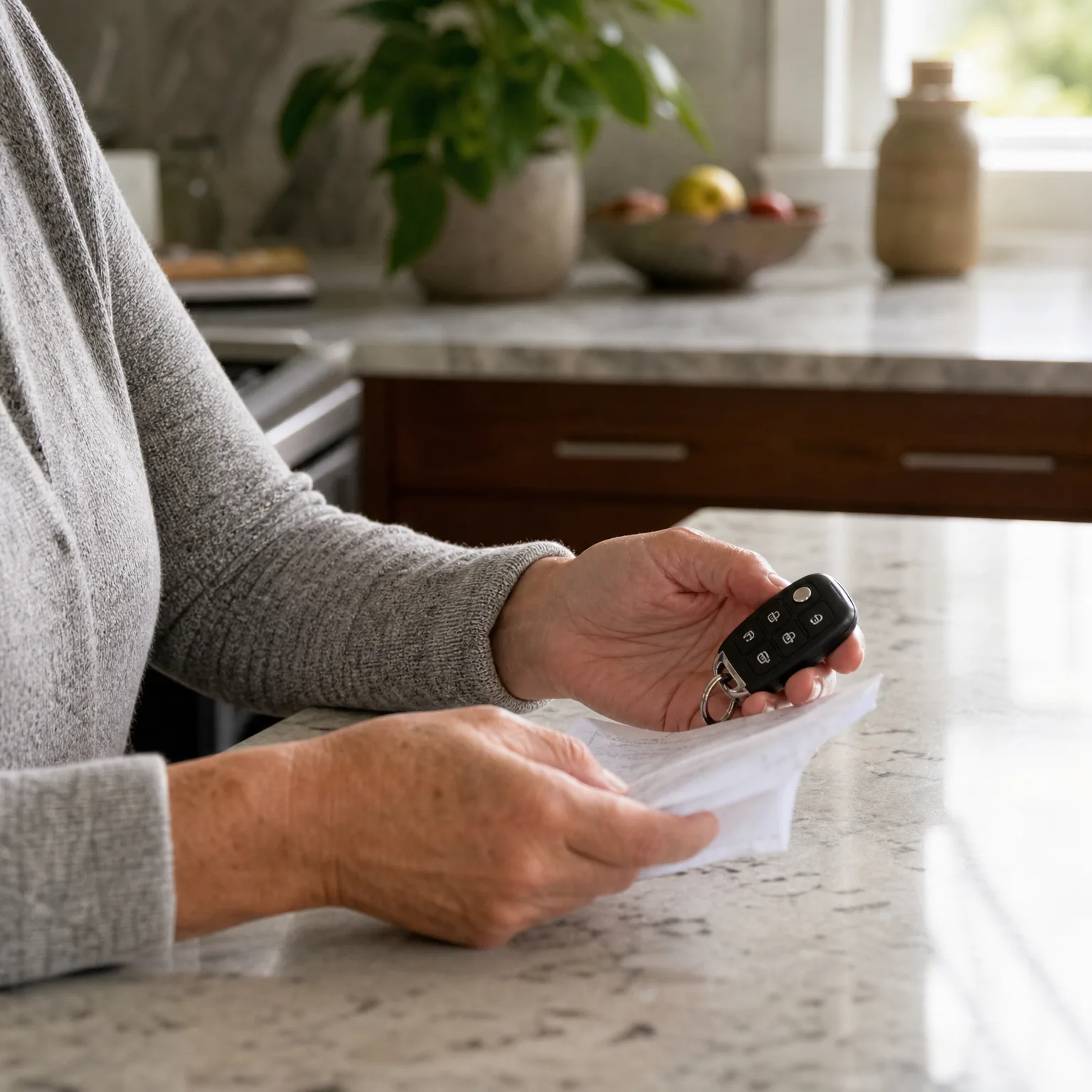
Pull your current policy and your most recent renewal notice so you can see exactly what you're paying and what coverage you have. Call your insurer and ask plainly whether they offer a mature driver discount, a low mileage discount, or any other senior-specific savings, since these aren't always advertised. If you've taken or plan to take a driver safety course, confirm with your insurer beforehand that it qualifies for a discount and ask what they need from you afterward. Check with Hawaii's DMV directly about any license renewal or vision test requirements tied to your age, since this is separate from your insurance. Then compare quotes from a few other insurers using your current coverage as the baseline, so you can see whether you're still getting a fair rate for where you are now.