Car Insurance Basics for Senior Citizens in California
Your age alone doesn't raise or lower your rate. What you drive, where you live, and your record still matter most.
Age is one factor among several
California law doesn't let insurers charge you more just because you're a senior. What changes your premium is your driving record, the car you drive, where you garage it, and how much coverage you carry. Age only enters the picture through discounts, not penalties.
Most insurers in California offer a discount for completing an approved mature driver improvement course. That's the main age-linked benefit built into the system here. Beyond that, your rate is calculated the same way it would be for any other driver your insurer covers.
The mature driver course is the one thing worth doing
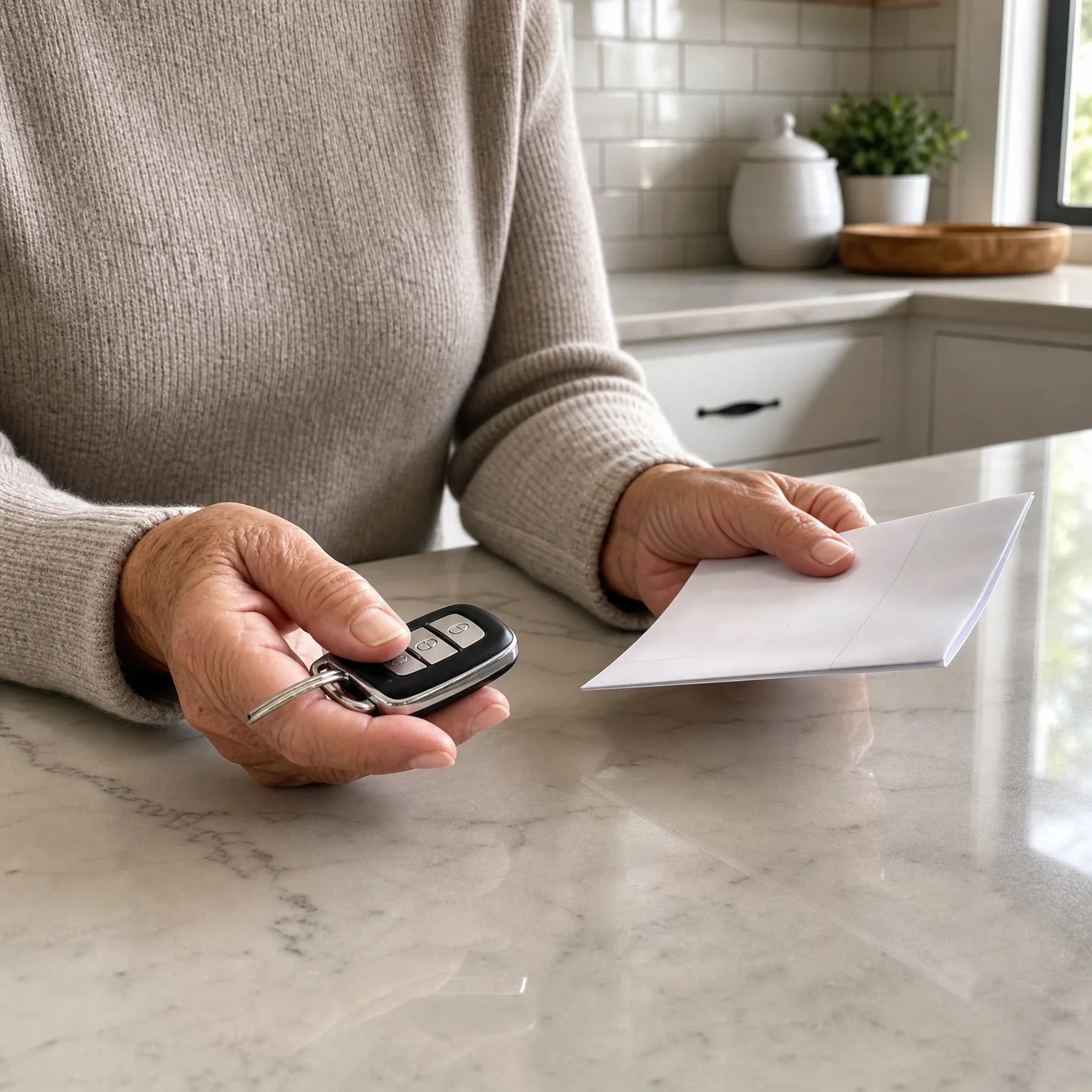
California requires insurers to offer a discount to drivers who complete a state-approved mature driver improvement course, typically available to those 55 and older. The course itself doesn't lower your rate. Sending the completion certificate to your insurer does.
The discount isn't automatic and it isn't the same size at every company. Some insurers apply it for a set period before you need to retake the course. Ask your insurer directly how long the discount lasts and whether you need to resubmit the certificate to keep it.
The course can usually be taken online or in person, and either counts for the discount. Check with your insurer first to confirm they accept the format you're planning to take, since a few still require specific providers.

What insurers actually watch as you age
Insurers don't ask your age when they set your rate beyond using it as one data point. What they do watch, for every driver, is your claims history and any recent moving violations. A clean record carries more weight than a birthday.
If your vision or reaction time has changed, that shows up at DMV renewal before it shows up in your insurance. California requires an in-person renewal with a vision test at certain ages, and if the DMV restricts your license or requires retesting, that can affect what coverage you're eligible for or what your insurer asks about.
Dropping to fewer miles driven each year, if that's true for you, is worth mentioning to your insurer. Many offer a lower-mileage discount, and retirement often qualifies someone who didn't before.
If you're driving less or stopped commuting, your insurer needs to know. They set your premium partly on expected mileage, and an outdated estimate means you could be paying for driving you no longer do.
Questions people ask about this
Does my car insurance rate go up automatically at a certain age in California?
No, California doesn't permit insurers to raise rates based on age alone. Any change in your premium would come from your driving record, a change in coverage, or how your insurer reprices your policy at renewal, the same factors that apply to any driver.
What happens to my insurance if the DMV restricts my license?
That depends on what the restriction is and how your insurer handles it, so ask your insurer directly once you know the details. A restriction like daytime-only driving or corrective lenses is a DMV matter first. Whether it affects your policy is a separate question your insurer can answer.
Can I stay on my adult child's insurance policy instead of having my own?
This depends on your insurer's rules and whether you live in the same household as your child. Some insurers allow a parent to be added as a listed driver under certain conditions. Ask the insurer directly whether this is possible and what it would mean for the policy's coverage and cost.
Will I lose my good driver discount if I have one accident at my age?
That depends on your insurer's specific rules about the discount, not your age. California's good driver discount has its own eligibility requirements set by state law. Ask your insurer how one incident would affect your specific discount and whether a diversion program or course could help you keep it.
Should I drop collision coverage on an older paid-off car?
That depends on the car's value and what you could afford to replace it with out of pocket. If the car is worth little, collision coverage may cost more over time than it would pay out in a claim. Check your car's current value and weigh it against what you're paying for that coverage before deciding.
See how a few California insurers would price your situation before you commit to a renewal.
Pull out your renewal notice and see what you're currently paying and for what coverage. If you haven't taken a mature driver improvement course yet, look into one approved in California and ask your insurer in advance how the discount works and how long it lasts. If your mileage has dropped since retiring, tell your insurer now rather than waiting for renewal. Have your driving record and vehicle details ready, since that's what quotes are based on, not your age. Then compare what a few insurers would charge for the same coverage you have now.