Auto Insurance for Senior Citizens in Oklahoma
Insurers in Oklahoma will cover you, and what you pay depends more on your driving record and the car you drive than on your age alone.
Yes, auto insurance is available to senior drivers in Oklahoma
No insurer can refuse to sell you a policy just because you've reached a certain age. Oklahoma requires every driver to carry liability coverage, and companies compete for your business the same way they do for any other driver.
What changes as you get older is how the insurer looks at your risk. A clean record and a car with modern safety features work in your favor. A recent ticket, a lapse in coverage, or a car that's expensive to repair will push your rate up, the same as it would for anyone else.
Your driving record still decides most of what you pay
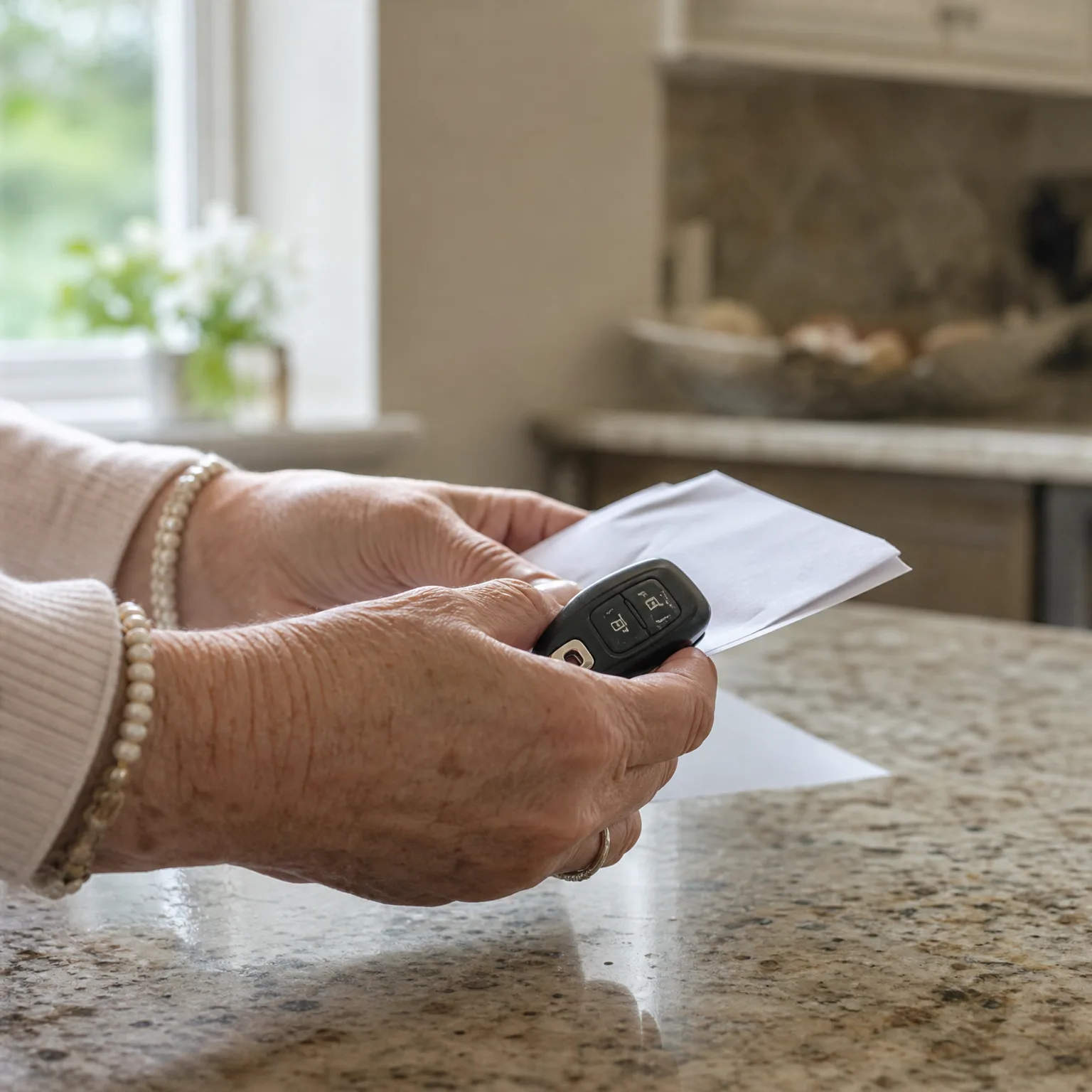
Insurers in Oklahoma set your rate mainly from your driving history over the last several years. Tickets, at-fault accidents, and claims matter more than the number on your birth certificate.
If you haven't had a violation or a claim in a while, ask your insurer directly whether that's reflected in your current rate. Some companies review this automatically at renewal, others only adjust it if you ask.
If your record does have something recent on it, ask how long it stays on file and when it drops off. That date matters more than almost anything else for when your rate might come down.
A defensive driving or mature driver course is worth asking about too. Oklahoma doesn't require insurers to offer a discount for completing one, so you have to ask your own insurer whether they recognize it and what they need from you to apply it.
What you drive and how much you drive it
The car itself affects your premium as much as your age does. A vehicle that costs more to repair or replace, or one that's a frequent target for theft, carries a higher premium no matter who's driving it.
If you're driving less than you used to, tell your insurer. Many companies offer a lower rate for lower annual mileage, but they only know your mileage if you report it or if you're on a usage-based program.
If you no longer commute or have cut back on long trips, this is worth a call regardless of your age. It's one of the more direct ways to lower a premium that doesn't depend on waiting for anything to change.
If a vision or medical condition has changed how often or how far you drive, that's also relevant to mention, since it affects the kind of coverage and the type of policy that fits your actual driving pattern.
Questions people ask about this
Does my insurance rate go up automatically once I turn a certain age in Oklahoma?
No insurer is required to raise your rate at a specific age. Any change in your premium around that time is more likely tied to your record, your vehicle, or how the insurer re-evaluates risk at renewal. If your rate changes and you're not sure why, ask your insurer to explain what drove the adjustment.
Can my insurer cancel my policy because of my age alone?
No, age by itself isn't a legal reason to cancel a policy in Oklahoma. Insurers can decline to renew a policy for reasons tied to risk, such as a lapse in coverage, a serious violation, or a medical condition that affects driving ability, but these would need to be documented reasons, not your age on its own.
Will a vision or medical test affect my car insurance in Oklahoma?
A vision test is part of license renewal through the Oklahoma DMV, not something your auto insurer requires directly. If a medical condition affects your license status, that can affect your insurability, so it's worth telling your insurer about any changes to your license as soon as they happen.
Is it cheaper to stay with my current insurer or switch after retirement?
That depends on how your current insurer prices risk compared to others, which isn't the same company to company. Retirement can lower your mileage and change your commute, so it's worth getting quotes from a few insurers to see whether your current company's rate still reflects your actual driving now.
Should I drop collision or comprehensive coverage on an older car?
That depends on what the car is worth and what you could afford to replace it with. If your car's value has dropped well below what you'd pay in premiums for collision and comprehensive combined, ask your insurer for the car's current value and run the numbers before deciding.
See how your rate compares before you decide to renew or switch.
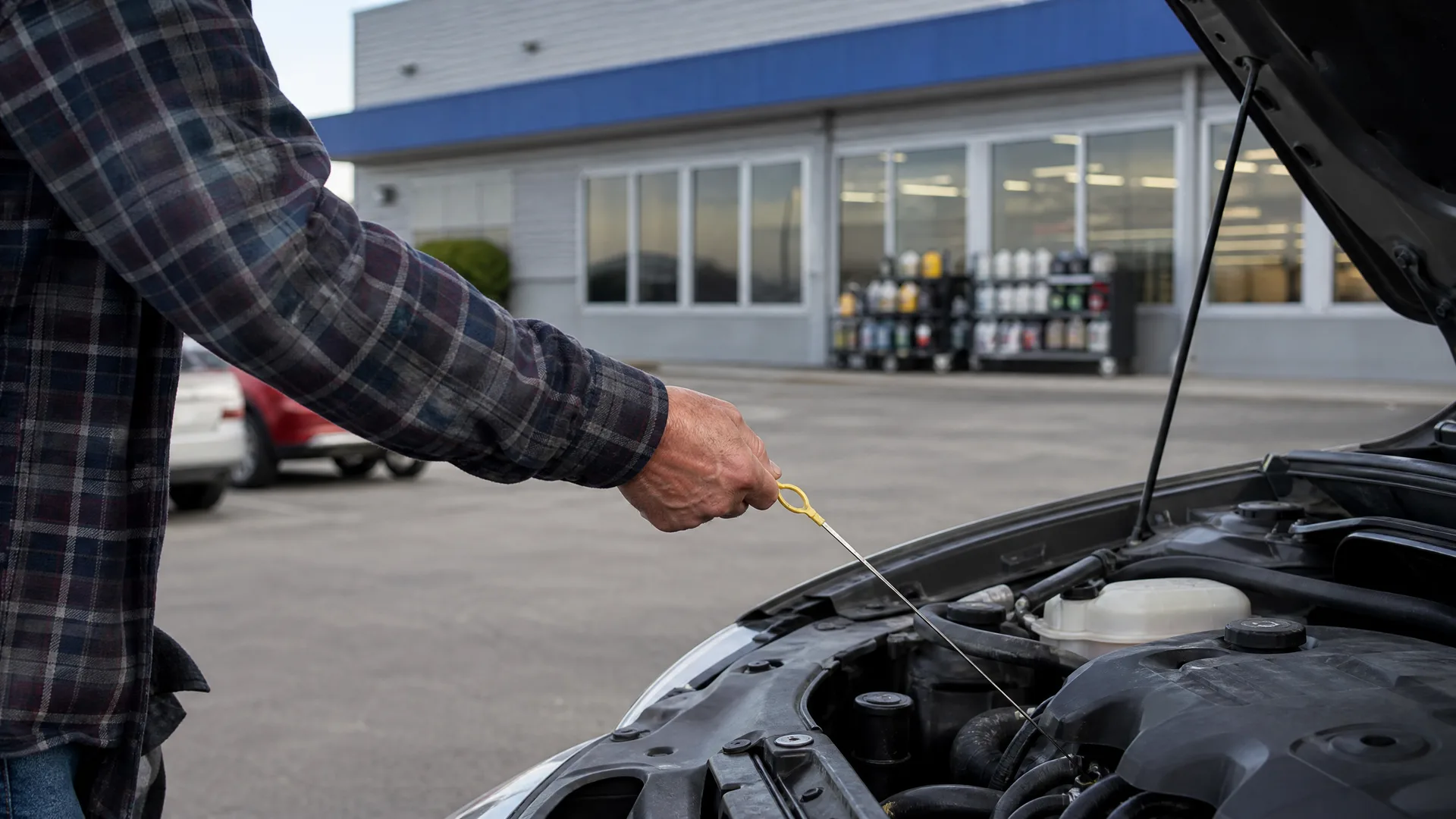
Pull out your renewal notice and your current policy declarations page before you do anything else. Check what you're paying now for liability, collision, and comprehensive separately, since you may want to adjust just one of them. Call your insurer and ask directly whether they offer a mature driver discount and what proof they need. Ask them to confirm your current mileage estimate, especially if you're driving less than you were a year or two ago. Then compare a few quotes from other insurers using the same coverage limits, so you're comparing like for like instead of guessing.