Auto Insurance for Senior Citizens in Ohio
Insurers in Ohio will sell you a policy at any age, and what you pay comes down to your driving record, your car, and whether you've taken a defensive driving course.
Yes, and your record matters more than your birthday
Age alone doesn't shut anyone out of auto insurance in Ohio. Insurers price the policy based on how you actually drive, not just how long you've been driving.
For most older drivers, the rate reflects a clean record and fewer miles driven, both of which work in their favor. Where it shifts is if a recent ticket, accident, or a vision or medical issue shows up on the record. That's what an insurer is actually weighing, state rules about license renewal aside.
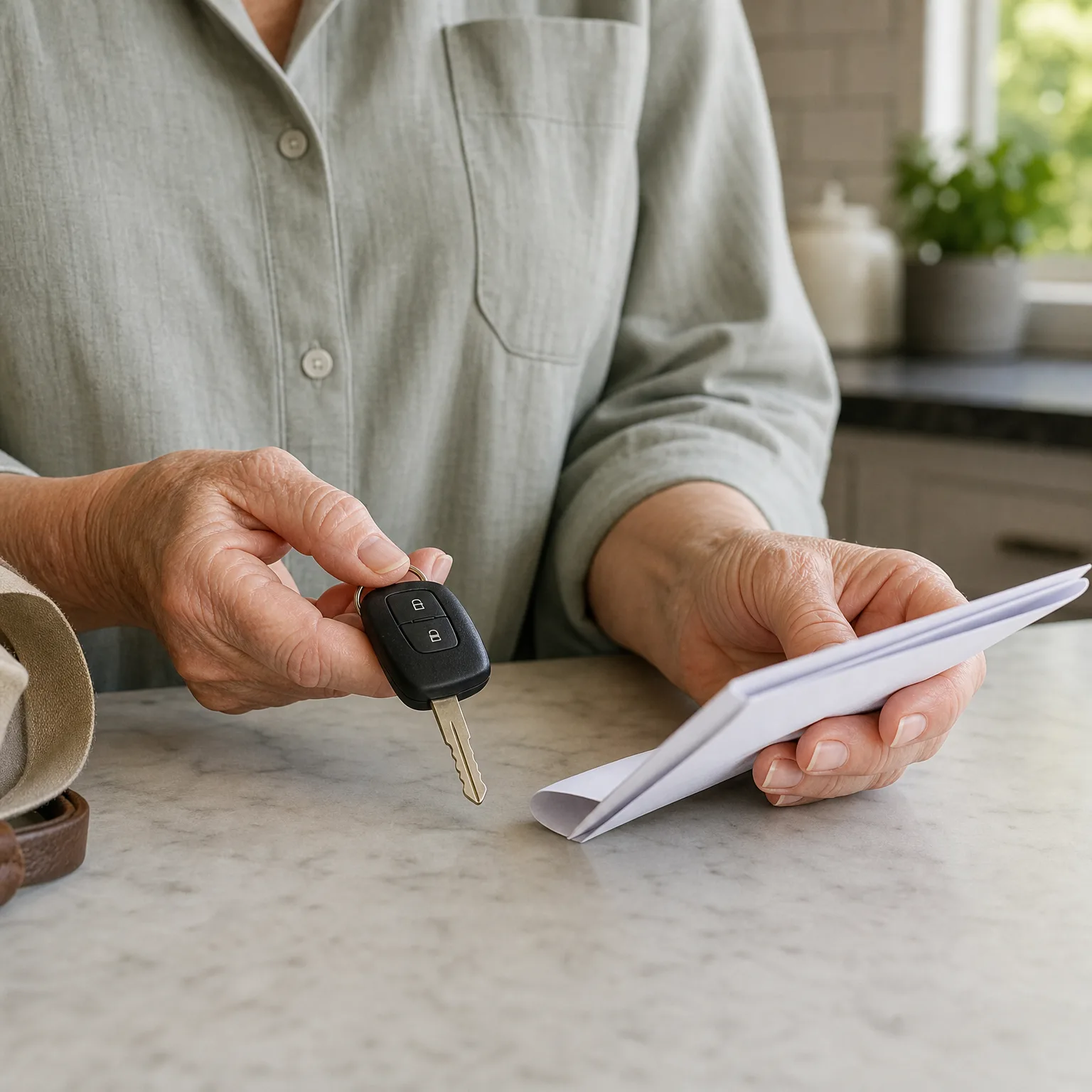
Your driving record decides more than your age does
An insurer looks at the last few years of your driving history before anything else. A clean record keeps your premium close to what it's always been, regardless of how old you are.
If you've had a ticket or an accident recently, that will raise your premium more than turning another year older ever would. Ask your insurer directly how far back they look and what counts against you.
Some older drivers also face a medical or vision flag tied to license renewal in Ohio. If your license has a restriction, like corrective lenses or a shorter renewal cycle, tell your insurer. Leaving it off an application can cause problems later if you file a claim.
If your record has been clean for years, say so when you request quotes. Some insurers ask for proof, like a motor vehicle report, before applying a clean record discount.
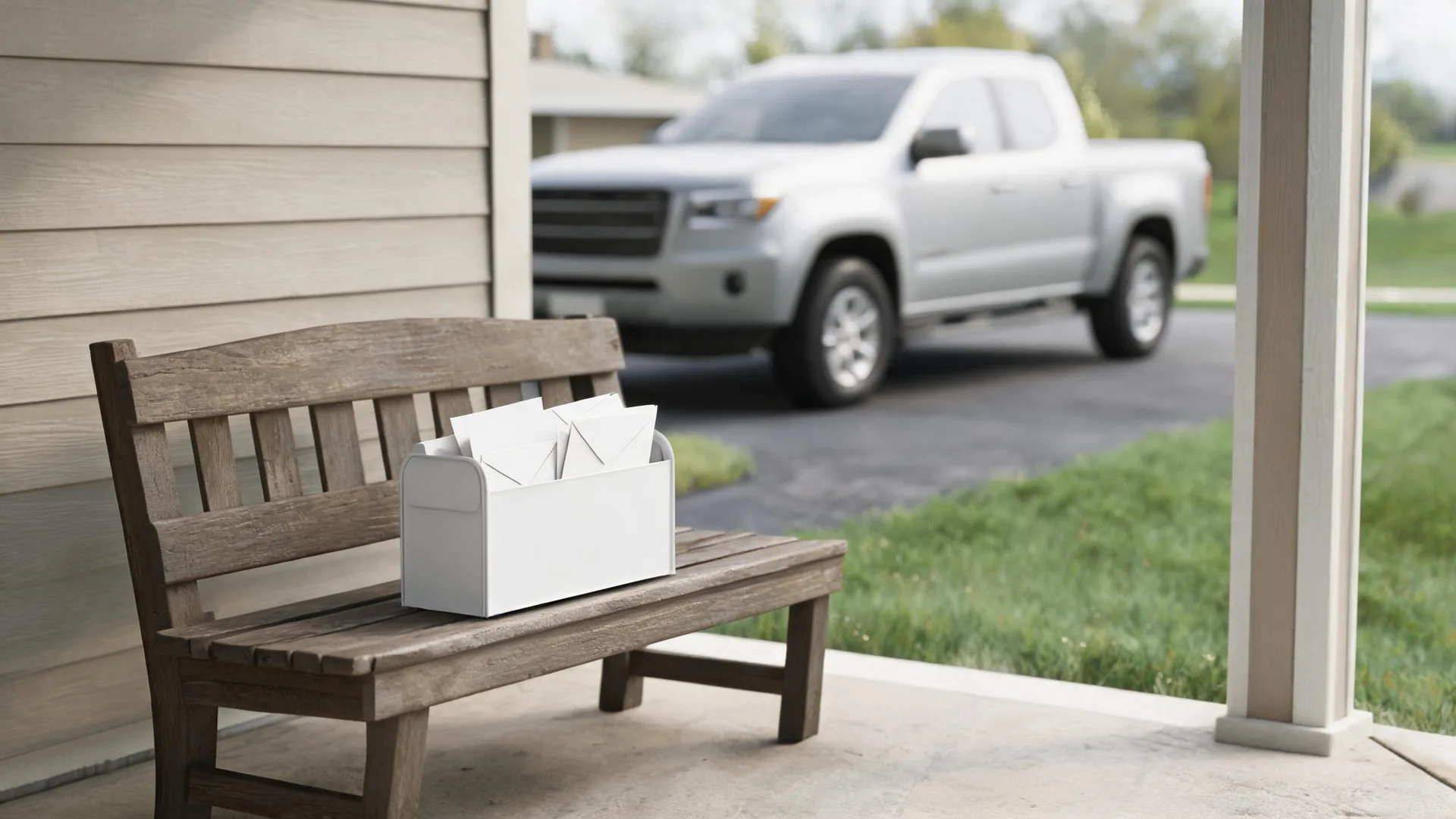
A defensive driving course can lower your premium, but only if you send in the certificate
Ohio recognizes defensive driving and mature driver courses, and many insurers offer a discount for completing one. The course itself doesn't change your rate. Sending the completion certificate to your insurer does.
Check with your insurer first about which courses they accept before you pay for one. Not every course qualifies for every insurer, and some only honor a course taken through a specific provider.
The discount usually lasts a set period before you need to retake the course. Ask your insurer how long it's good for so you're not caught off guard at a renewal.
If you take the course for a different reason, like a court requirement or a family request, ask about the insurance discount anyway. It often applies even if that wasn't why you signed up.
Questions people ask about this
Does my car insurance rate go up automatically when I turn a certain age in Ohio?
No, insurers don't raise your rate just because you hit a birthday. If your premium changes, it's usually tied to a change in your driving record, your coverage, or the car itself. Ask your insurer directly if your renewal notice shows an increase you don't understand.
Will my insurer cancel my policy if my doctor restricts my driving?
That depends on your insurer and the nature of the restriction, so ask them directly. A restriction tied to corrective lenses or daytime-only driving is different from a restriction that limits your ability to drive safely at all. Report any change in your license status to your insurer so your policy stays accurate.
Can I stay on my current policy if I stop driving but still own a car?
Most insurers let you keep a car insured even if you're not actively driving it, often at a reduced rate for storage or limited use. Ask your insurer what coverage they recommend if the car sits most of the time. Dropping coverage entirely can cause a gap that raises your rate later if you decide to drive again.
Does Ohio require a vision test or driving test for older drivers at license renewal?
Requirements for renewal testing are set by the Ohio Bureau of Motor Vehicles, not by insurers, and they can depend on your age and renewal cycle. Check directly with the Ohio BMV for what applies to you. Whatever the BMV requires, keep your insurer informed if your license comes with any new restriction.
Should I drop collision or comprehensive coverage on an older car?
That depends on what the car is worth and what you could afford to replace it with out of pocket. If the car's value is low, the payout from a collision claim may not be much more than what you've paid in premiums for that coverage. Ask your insurer for the car's current value and compare it against the cost of keeping full coverage.
See what a few Ohio insurers would actually charge for your situation before you renew.
Pull your current policy and your most recent driving record before you start comparing quotes. If you've completed a defensive driving or mature driver course, have the certificate ready to send in, since the discount doesn't apply until you do. Call your current insurer and ask directly what discounts you already qualify for and which ones require paperwork. If your license was renewed with any new restriction, mention it when you request quotes so the coverage you're comparing is accurate. Then get a few quotes from other insurers to see whether your current rate still holds up.