Auto Insurance for Senior Citizens in Louisiana
Louisiana insurers will cover you at any age, but your record and the company you choose matter more than your birthday.
Yes, you can get covered, and often for less than you expect
Insurers in Louisiana don't stop covering drivers because of age. What changes is how they price the policy, and that depends on your driving record, the car you drive, and which company you ask.
Some insurers reward long, clean driving histories. Others weigh a recent ticket or claim more heavily once a driver reaches a certain age. This is why the same senior driver can get very different quotes from different companies for the same coverage.
Your driving record still carries the most weight
A clean record over the past several years matters more to most insurers than the fact that you're a senior. If you haven't had a ticket or an at-fault accident in a while, say so when you ask for quotes, because some companies ask and some don't volunteer the question.
If your vision or reaction time has changed, that's between you and the DMV, not your insurer, unless it shows up as a citation or a claim. Insurers price the record you have, not a guess about what might happen.
If you've taken a defensive driving or mature driver course, ask your insurer whether it counts toward your rate. Louisiana doesn't require insurers to offer a discount for this, so it depends on the company, and you may need to send them the certificate yourself.
If you're driving less than you used to, some insurers ask about annual mileage. Lower mileage can work in your favor, but only if you tell them.
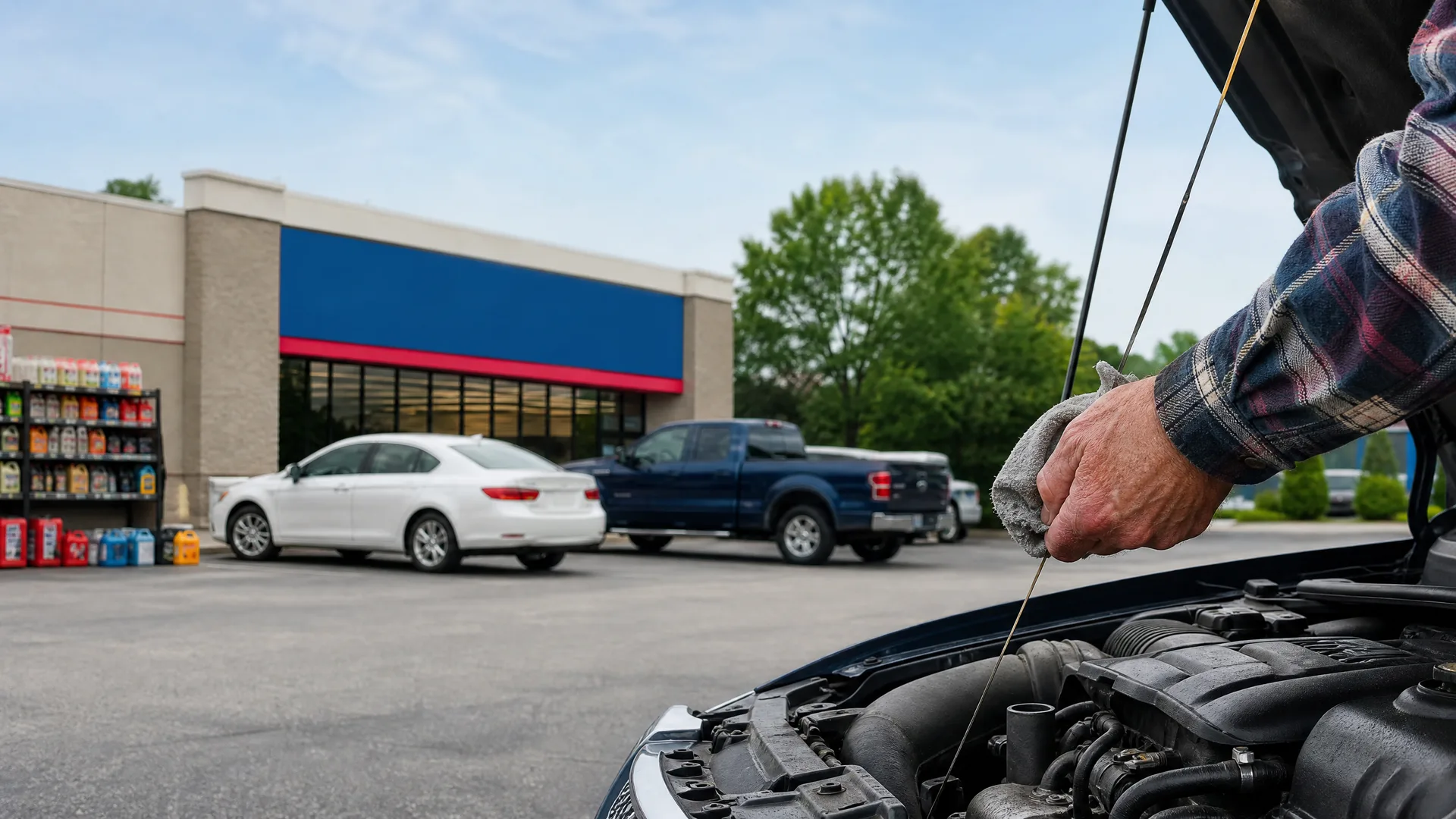
How much you drive and what you drive changes the quote
A paid-off car, an older model, or a car with fewer safety features all affect the quote differently than a new one does. If you're driving a car you've had for years, ask whether dropping collision or comprehensive coverage makes sense for its current value.
If a renewal notice is what brought you here, check it against what you were paying last year. A jump without a ticket or claim on your record is a sign to ask the insurer directly what changed, or to get quotes elsewhere.
If someone else in the household, a spouse or an adult child, is added to or removed from the policy, that changes the price too. Keeping the policy accurate to who actually drives the car avoids paying for a driver who no longer does.
Louisiana doesn't set insurance rates by age the way it sets some licensing rules. The rate you get is the insurer's own calculation, which is exactly why it's worth comparing more than one.
Questions people ask about this
Does Louisiana require older drivers to retest for their license?
License renewal rules, including whether a vision test or in-person visit is required at certain ages, are set by the Louisiana Office of Motor Vehicles, not by insurers. Check with the OMV directly for the current renewal requirements tied to your age. Your insurer only cares about the license you hold, not how you renewed it.
Will my rate go up automatically once I turn a certain age?
There's no fixed age in Louisiana at which rates are required to rise. Some insurers adjust pricing tied to age brackets, others weigh record and vehicle more heavily. If your renewal went up, ask the insurer what specifically changed rather than assuming it was your age.
Can I stay on a joint policy with my spouse as we both get older?
Most insurers allow joint policies for spouses regardless of age, as long as both are listed as drivers. If one of you drives much less than the other, mention that, since some insurers price based on who's the primary driver of each car.
What happens to my insurance if I stop driving but keep a car?
You can usually keep a policy on a car you own but rarely drive, often at a reduced rate for storage or limited use. Ask your insurer what they offer for this, since the options and the savings vary by company.
Should I drop coverage I don't think I need anymore?
That depends on the value of your car and what you can afford to replace out of pocket if it's damaged or totaled. Talk to your insurer about what collision and comprehensive coverage actually cost you each year versus your car's current worth before deciding.
See what other insurers would charge for the coverage you have now.

Pull out your current policy and your most recent renewal notice before you start. Note your driving record for the past several years, including any tickets or claims, since you'll likely be asked. If you've completed a defensive driving course, have the certificate ready to send in. Get quotes from a few insurers and compare them against your renewal, not just against each other. Ask each one directly what discounts apply to you and whether they consider mileage or course completion. If a price seems off compared to last year, ask the insurer what changed before you accept the renewal.